



On this page
The Ladies of Liberty Alliance (LOLA) is a global women’s organization with 200+ chapters across 58 countries, 2,200+ active members, and over 1,500 events under their belt. They run three core programs: a chapter network that builds local communities of women around shared principles, leadership retreats that train activists and advocates, and a speakers bureau featuring over 100 female leaders from around the world.
The organization is real. The members are active. The events happen. But the website told a different story.
The Problem: A Movement That Outgrew Its Website
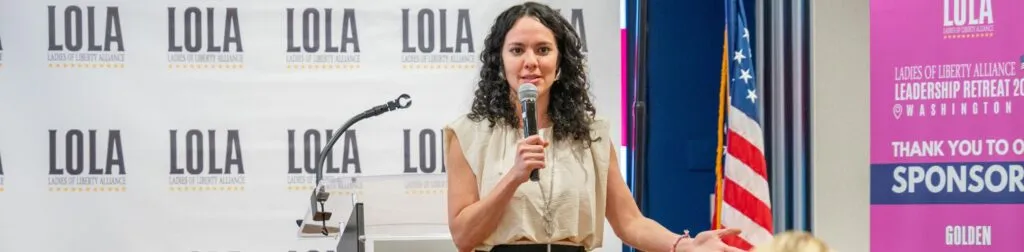
LOLA had chapters in Brazil, Spain, Poland, Argentina, and across the United States. They had speakers like Gloria Alvarez (a political scientist with 1,600+ monthly Google searches for her name alone) and endorsements from figures like Dr. Ron Paul. They were hosting leadership retreats in Washington DC and organizing International Women’s Day events.
And the website looked like it was still catching up.
The old design did not communicate the scale or energy of what LOLA had built. For an advocacy organization, the website is often the first touchpoint for someone who just found you through a search result or a social media share. If that first impression feels small, outdated, or disorganized, they leave. They do not click through to find the chapter page. They do not look up the speakers bureau. They are gone.
When your mission is about empowering women across the globe and your website does not reflect that ambition, you are losing people in the first five seconds.
The Design: Bringing the Brand’s Conviction to the Screen
I designed every page on the new site. The brief was clear: make the website feel as bold and energetic as the organization itself.
The homepage opens with a full-width hero slider that rotates through LOLA’s three core programs: Social Chapters, Leadership Training, and the Speakers Bureau. Each slide uses bold, all-caps Bebas Neue typography over a vibrant pink-to-magenta gradient (#F763B0 to #BC0361) that became the site’s signature. The gradient is not decorative. It is a statement. This is not a quiet organization.
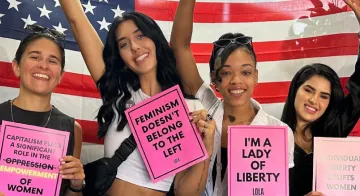
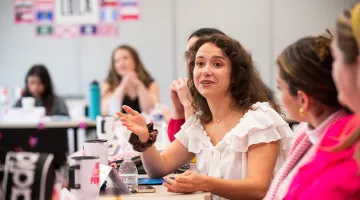
The program cards sit below the hero and solve a critical UX problem. Before, a visitor had to dig through the site to understand what LOLA actually does. Now, three cards (Social Chapters, Leadership Training, Speakers Bureau) lay it out in one scroll. Each card uses a real event photo, a short description, and a direct “Learn More” CTA. One glance tells you the full picture.
The impact counters hit hard: 200+ chapters, 58+ countries, 2,200+ active members, 1,507 events. These numbers sit in a clean row with custom icons, giving immediate credibility without needing a single paragraph of explanation.
The speakers bureau section features circular portrait thumbnails with name, location, and title. Melissa Balocca from Los Angeles, Gloria Alvarez from Guatemala, Adriana Flores from Buenos Aires. The design makes the organization feel international and real, not like a landing page with stock photos.
The event cards for upcoming leadership retreats use real event photography and dual CTAs (General Info and Leadership Recap), signaling that this is an active organization with a track record, not a website that exists to collect donations and go quiet.
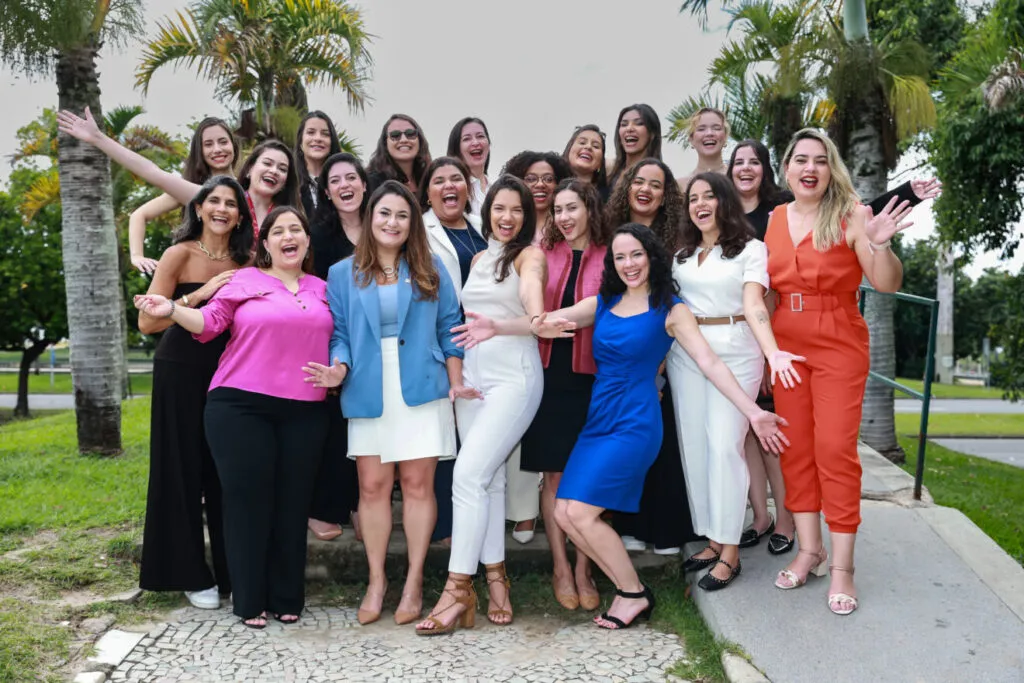
The Results: 249 Keywords and Growing
The redesign gave LOLA a site that search engines could actually work with. Before, the content was buried in a structure that made indexing difficult. Now, each program, speaker, and event has its own well-structured page.
| Metric | Result |
|---|---|
| Organic Keywords | 249 |
| Monthly Organic Traffic | 437 visits |
| Traffic Value | $66/month |
| Investment Range | Under $5K |
The site holds the #1 position for core brand terms:
| Keyword | Position | Monthly Searches |
|---|---|---|
| ladies of liberty | #1 | 210 |
| ladies of liberty alliance | #1 | 70 |
| liberty ladies | #1 | 140 |
| women of liberty | #3 | 70 |
But the real story is in the speaker pages. Individual speaker profiles now rank for personal name searches, pulling in traffic from people who are searching for these women specifically:
| Speaker Keyword | Position | Monthly Searches |
|---|---|---|
| gloria alvarez | #5 | 1,600 |
| martha bueno | #2 | 210 |
| marianne copenhaver | #2 | 110 |
| naomi wolf | #31 | 12,100 |
| rikki klieman | #8 | 1,000 |
| karen kwiatkowski | #9 | 320 |
Gloria Alvarez alone generates 1,600 monthly searches. When someone Googles her name, LOLA’s speaker page is the fifth result. That is free, recurring exposure for the organization from people who are already interested in what LOLA’s speakers have to say.
The competitive landscape is sparse in this niche. LOLA’s closest organic competitors (ladiesforliberty.com with 19 keywords, freemarket-rs.com with 84) are nowhere close to matching LOLA’s 249-keyword footprint. For a non-profit with a niche audience, owning that much organic real estate is a significant advantage.
What Made This Work
Three design decisions connected directly to organic growth:
Dedicated speaker pages with structured content. Each of LOLA’s 100+ speakers gets their own page with bio, topics, and credentials. This created 100+ indexable pages, each targeting a specific personal name search. That single decision is responsible for the highest-volume keywords on the entire site.
Program structure that mirrors search intent. Instead of a generic “What We Do” page, each program (chapters, leadership training, speakers bureau) has its own dedicated section with real photos, descriptions, and CTAs. Search engines reward this kind of clear content hierarchy because it answers specific questions on specific pages.
Community over institution. The design makes LOLA feel like a movement you join, not a website you visit. The impact counters, real event photos, member testimonials, and chapter map all communicate activity and belonging. That emotional signal reduces bounce rate, which is one of the factors search engines use to evaluate page quality.
The Partnership
This project was a collaboration with eSEO Space. I designed the complete UI across every page. eSEO Space handled WordPress development, SEO optimization, content writing, and client communications.
The division works well for organizations like LOLA. A designer focused on how the brand translates to screen, paired with a technical team focused on making the site rank. The combination is why a non-profit with a niche audience now owns 249 keywords on a budget under $5K.
Is This Right for Your Organization?
LOLA had built something real. 200+ chapters, thousands of members, events on multiple continents. But the website was the weak link. It did not communicate the scale of what they had accomplished or the energy behind the mission.
Non-profits and advocacy organizations often assume good web design is out of reach. They settle for template sites that look like every other organization in their space. LOLA got a full redesign, from homepage to speaker pages to event listings, for under $5,000.
If you have built something people actually care about (a community, a cause, a movement) and your website is not keeping pace, that is the easiest problem to fix. The hard part is already done. You built the thing. Let the website catch up.
FAQs
How much does a website redesign cost for a non-profit or advocacy organization?
This project was completed for under $5,000, covering the full UI design across all pages. Development, SEO, and content were handled by eSEO Space. A comparable redesign for a non-profit with 10-20 pages (including program pages, speaker profiles, and event listings) typically falls in the $3,000 to $7,000 range depending on complexity.
Does SEO work for non-commercial sites like non-profits?
Absolutely. LOLA ranks for 249 keywords without selling a single product. SEO works for any organization that has content people are searching for. In LOLA’s case, people search for their speakers by name, look up their programs, and search for terms related to their mission. The traffic is not transactional, but it builds awareness, drives donations, and attracts new members.
How do small organizations compete for search visibility against larger national groups?
By being more specific. LOLA does not try to rank for broad political terms. They rank for their own brand, their speakers’ names, and their specific programs. A focused content strategy with dedicated pages for each topic beats a large organization with a vague, consolidated website every time. LOLA’s closest competitor has 84 keywords. LOLA has 249. Size is not the deciding factor. Structure is.
How long until organic traffic appears after a website redesign?
LOLA’s site was redesigned in early 2024, and by early 2026 they hold 249 organic keywords with consistent monthly traffic. Most sites start seeing ranking improvements within 60-90 days of a well-structured redesign, with the real gains building over 4-8 months as search engines fully index the new content. For non-profits, the timeline can be faster because there is typically less competition in the niche.
Project Gallery
Case study by
Kristian Kreaktive
Founder & Lead Strategist at Digital Marketing Services
17+ years of experience helping small businesses grow their online presence through strategic SEO, web design, and branding.
In collaboration with
eSEO Space
UI Design (All Pages)
I designed the complete website UI across all pages. eSEO Space handled WordPress development, SEO optimization, content writing, and client communications.
Learn more about our partnershipMore Web Design Success Stories

Bot Image AI: Zero to 158 Keywords for FDA-Cleared Tech
158 organic keywords with #1 positions for ProstatID and core brand terms
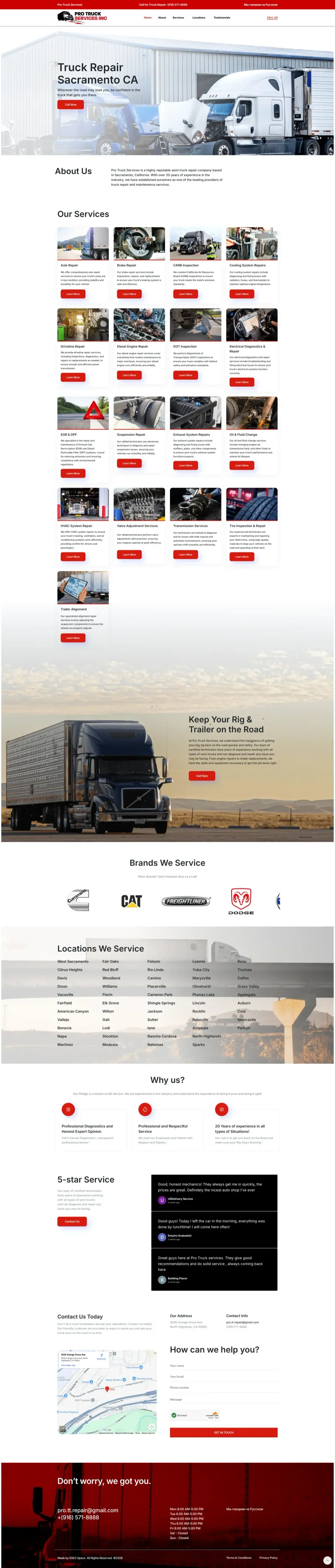
Website Design and Local SEO for Truck Repair in Sacramento, CA
0 to 31 organic keywords with multi-location visibility across Sacramento metro
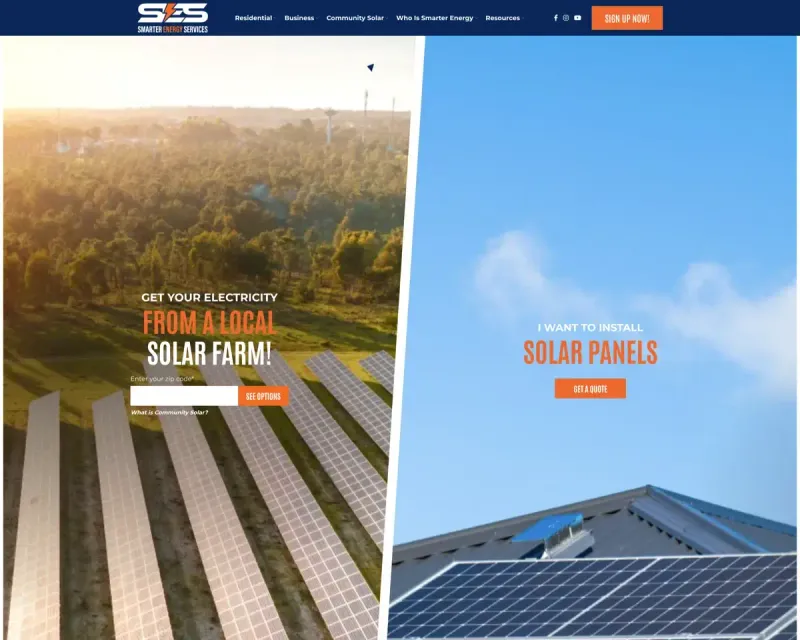
Smarter Energy Services: Solar Design That Ranks #1 in Brooklyn
#1 for brand term, top 5 solar keyword positions, and $285/month organic traffic value