



On this page
The Numbers That Matter
| What We Built | The Result |
|---|---|
| Organic Keywords | 0 → 352 in 6 months |
| Page 1 Rankings | 13+ competitive terms |
| Branded Terms | #1 on Google within 3 months |
| ”Golf Sunglasses for Women” (210/mo) | #6, ahead of Tifosi and Shady Rays |
| ”Golf Sunglasses” (5,400/mo) | #11, competing with Oakley (#4) and Goodr (#7) |
| “Golf Green Reading Glasses” (110/mo) | #6 via content marketing |
| Schema Types | 6 (Brand, Product, LocalBusiness, SportingGoodsStore, Organization, FAQ) |
| Organic Traffic Value | $278/month from zero |
The Problem: Great Product, No Website
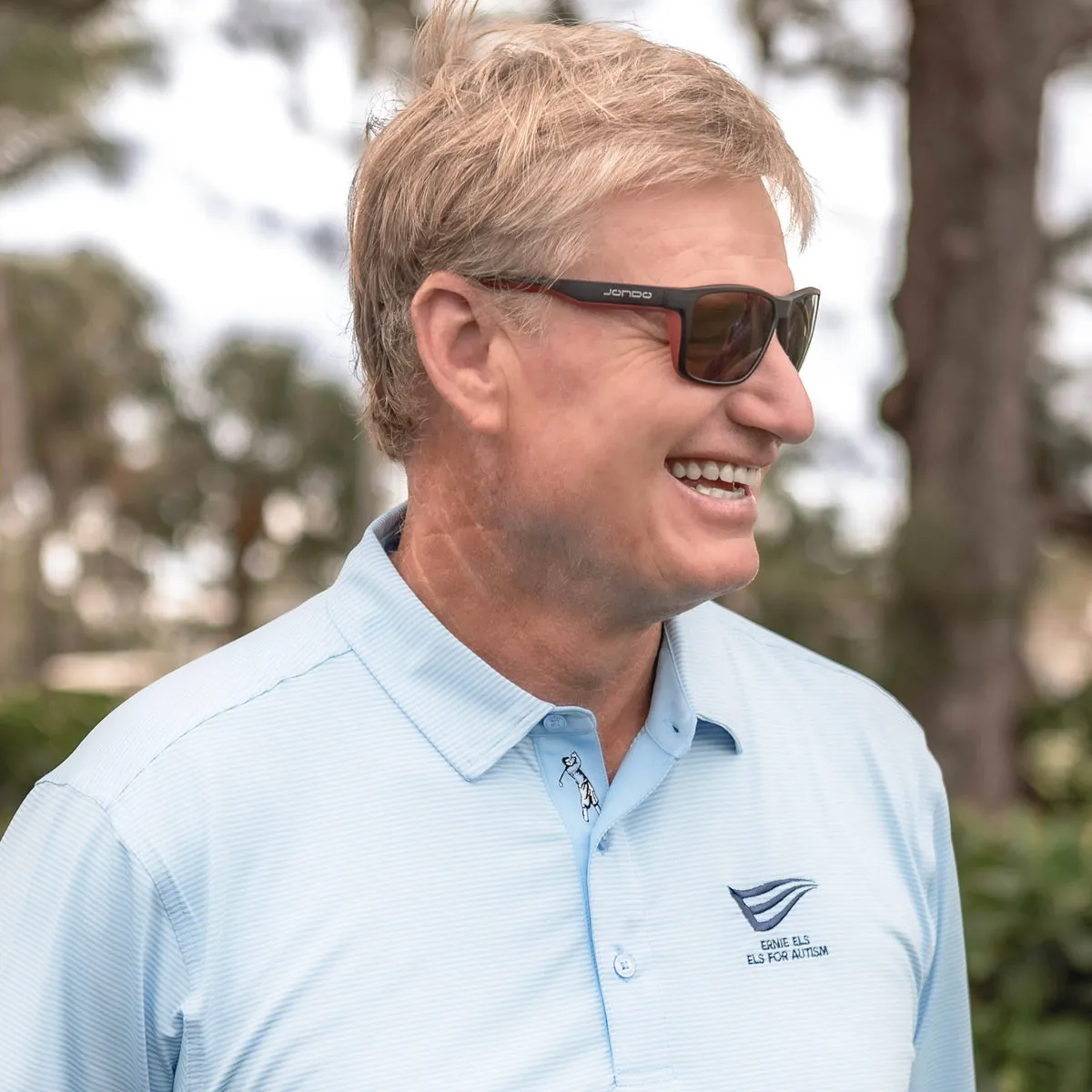
JondoSport makes golf sunglasses with patented KRISP optics. Non-polarized, distortion-free lenses with 17% light transmission, individually crafted in South Africa. The kind of precision that Ernie Els (4x Major Champion, World Golf Hall of Famer) didn’t just endorse. He invested in the company.
When your product earns that level of credibility, your website needs to match it.
The problem was simple: JondoSport had no website. No search presence. No digital footprint at all. They were entering the US market from South Africa with a premium product ($217 to $274 retail) and zero online visibility. Every potential customer searching “golf sunglasses” would find Oakley, Maui Jim, Goodr, RIA Eyewear, and a dozen other brands before ever knowing JondoSport existed.
Modrn Golf had already named them “Best High-End Sunglasses in Golf” after testing over 600 global eyewear brands. But that award doesn’t matter if nobody can find you online.
I needed to build a Shopify store that looked as good as the product, wire SEO into the site structure from launch (not as an afterthought), and set up the AI-facing content that’s becoming table stakes for visibility. All at once. You can’t do these sequentially and expect the same result.
This Works Well For
This case study is most relevant if you:
- Are launching a new e-commerce brand in a competitive market
- Sell products above $200 and your website looks like it doesn’t belong at that price point
- Want to compete with established brands that have years of SEO head start
- Need web design, SEO, and AI optimization working together from launch
- Are entering a new geographic market (US, international expansion)
Industry fit:
- E-commerce brands in sports, fashion, or specialty consumer products
- DTC brands competing against legacy retailers
- Higher-end product companies where brand perception drives purchases
- International brands launching in the US market
This probably isn’t your situation if:
- You’re selling commodity products where price is the only differentiator
- Your brand is already established online with existing traffic and rankings
- You need sales this week (SEO is a pipeline builder, not an emergency lever)
What Made This Project Different
Most e-commerce projects start with “build a nice-looking store.” The problem with that approach: a beautiful store that nobody can find is just an expensive brochure.
I treated JondoSport as three projects running in parallel:
- Website design that matches the price point. A $250 product on a $50 website doesn’t convert.
- SEO architecture wired into the site structure from day one, not bolted on 6 months later when someone asks “why aren’t we getting any traffic?”
- AI optimization through schema markup and content formatting, because Google isn’t the only place people search for products anymore.
These three are dependent on each other. SEO can’t rank pages that are poorly structured. AI tools can’t cite a brand that doesn’t have structured data. And none of it matters if the store itself doesn’t convert the visitors who show up.
What I Actually Built
Shopify store for a $250 product
The visual identity had to communicate one thing instantly: this is not another generic sunglasses brand.
JondoSport’s products sit in the $217 to $274 range. At that price point, the website experience is part of the product. A golfer comparing JondoSport to Oakley or Maui Jim will judge the brand by the website before they ever hold the sunglasses.
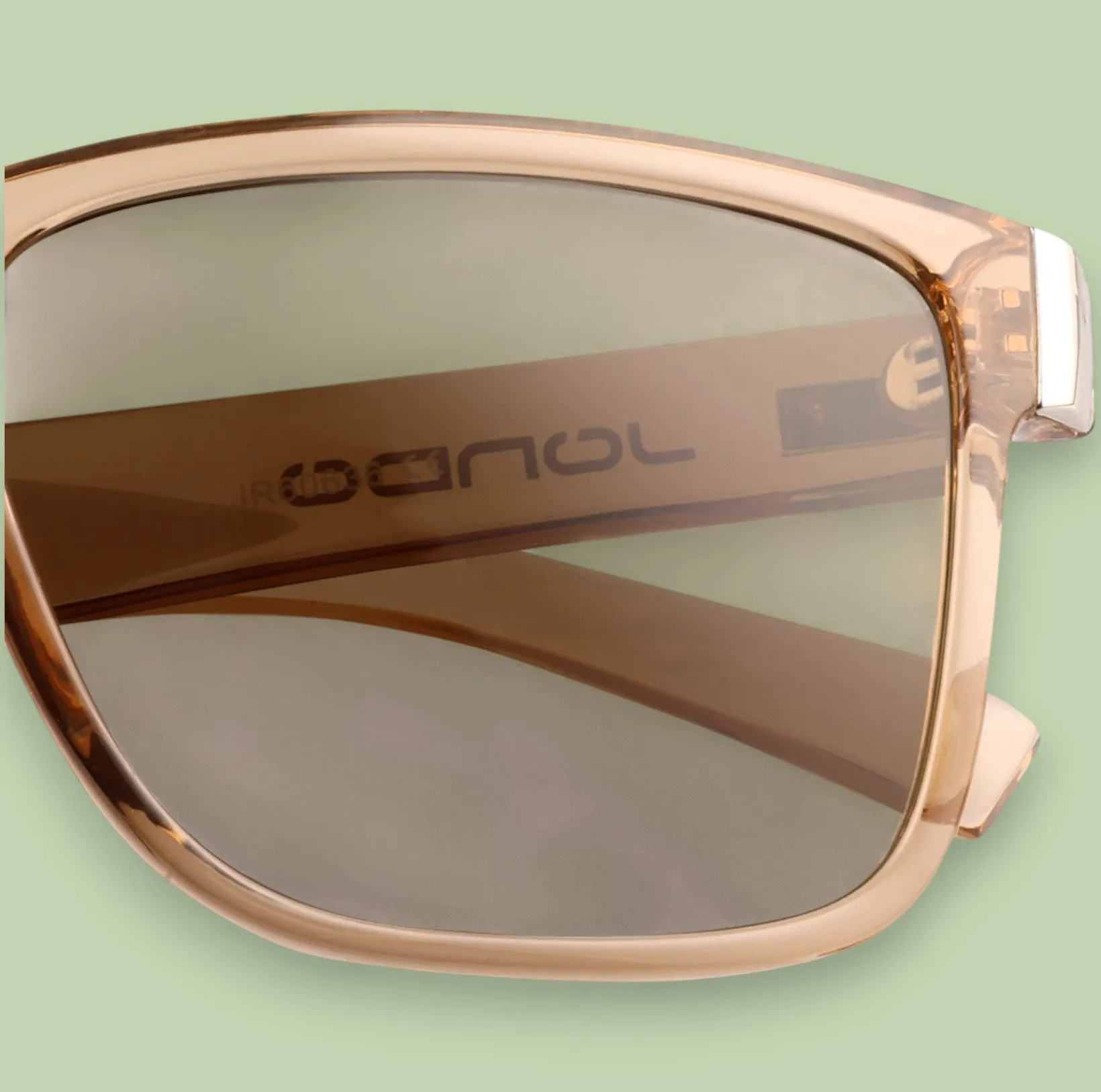
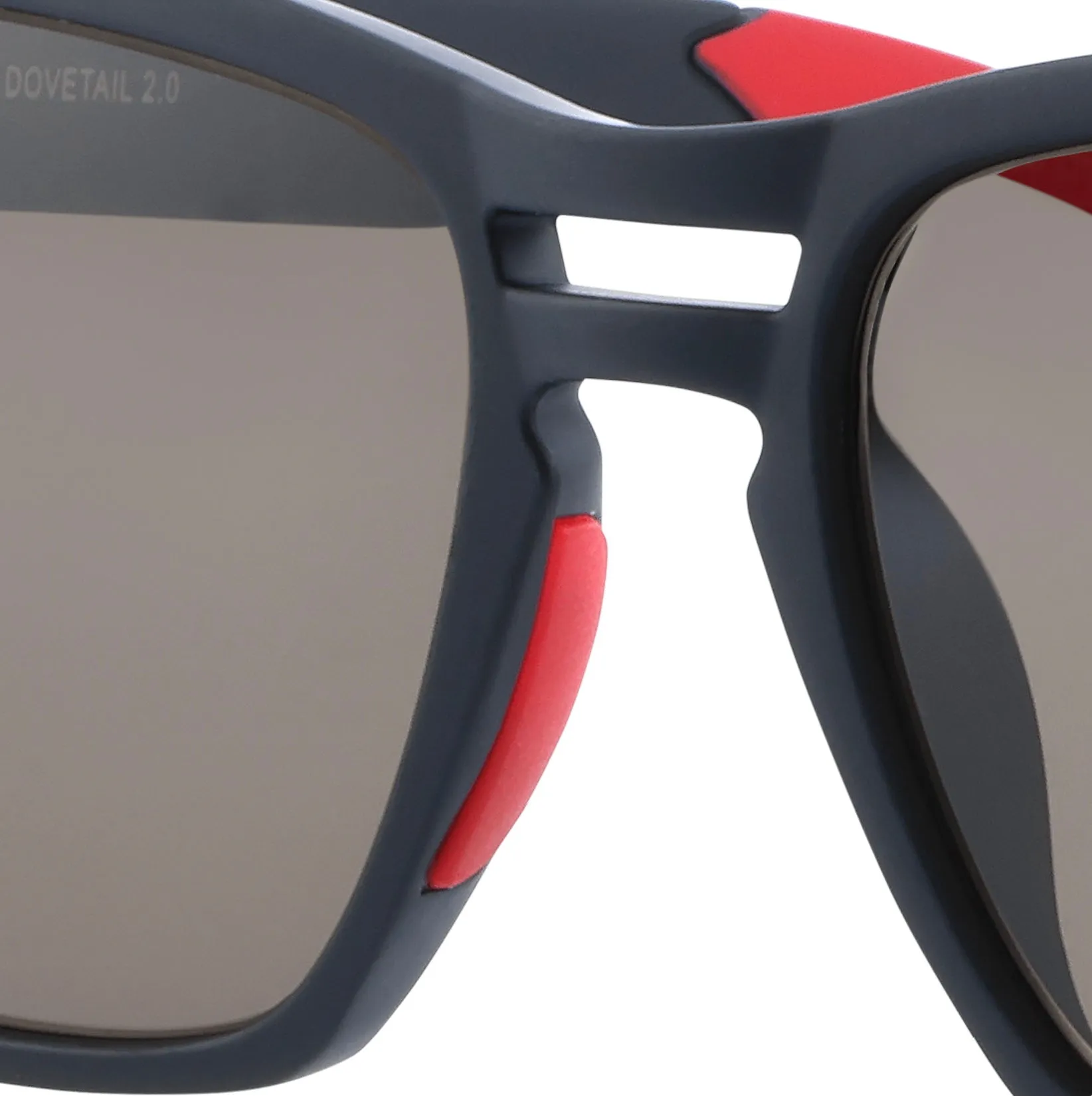
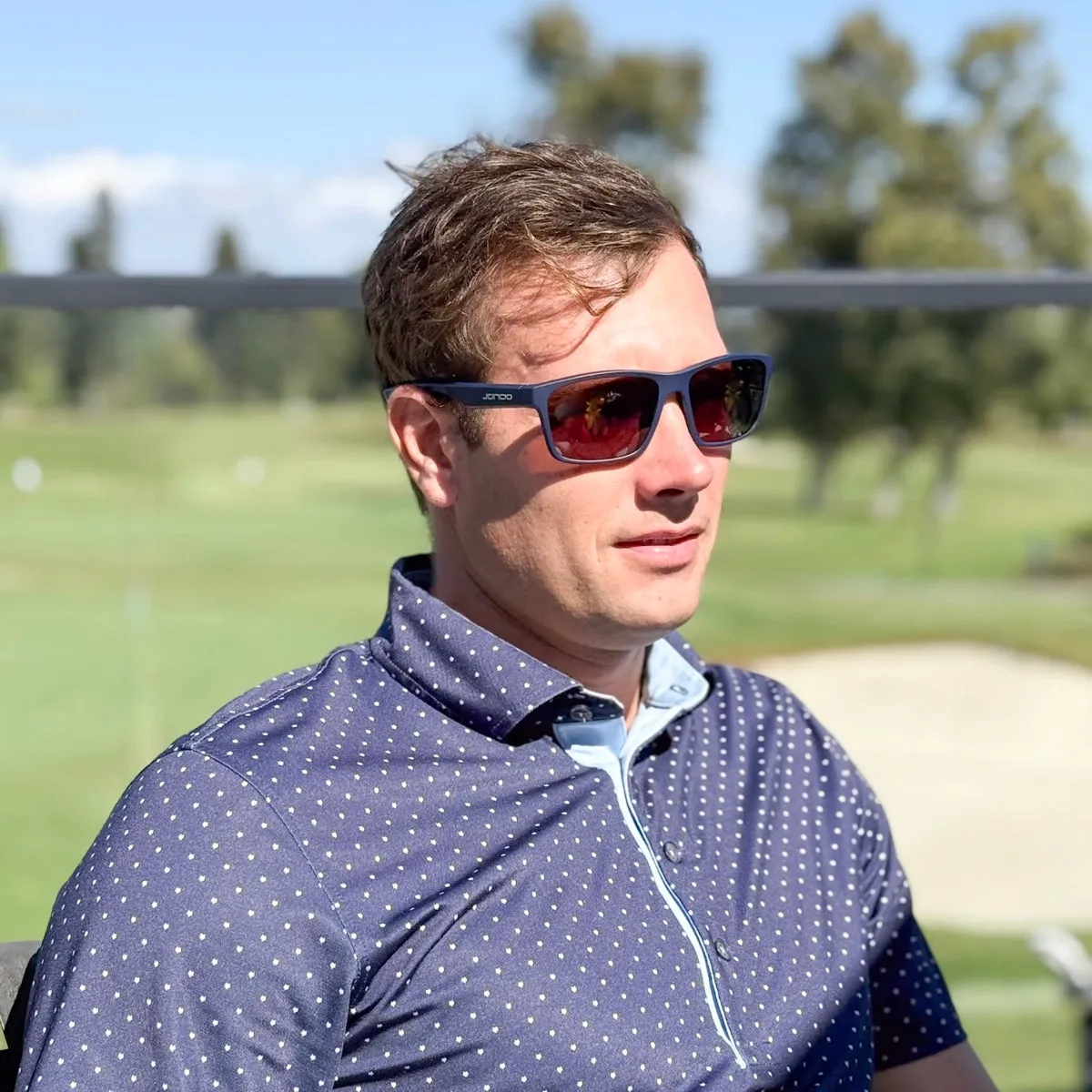
I designed the Shopify store around how golfers actually shop. Collections organized by use case (men’s, women’s, all golf sunglasses) rather than SKU numbers. Product pages that lead with lifestyle photography on the course, not just flat white-background product shots. And content that explains KRISP optics in terms golfers care about: depth perception, green reading, glare reduction.
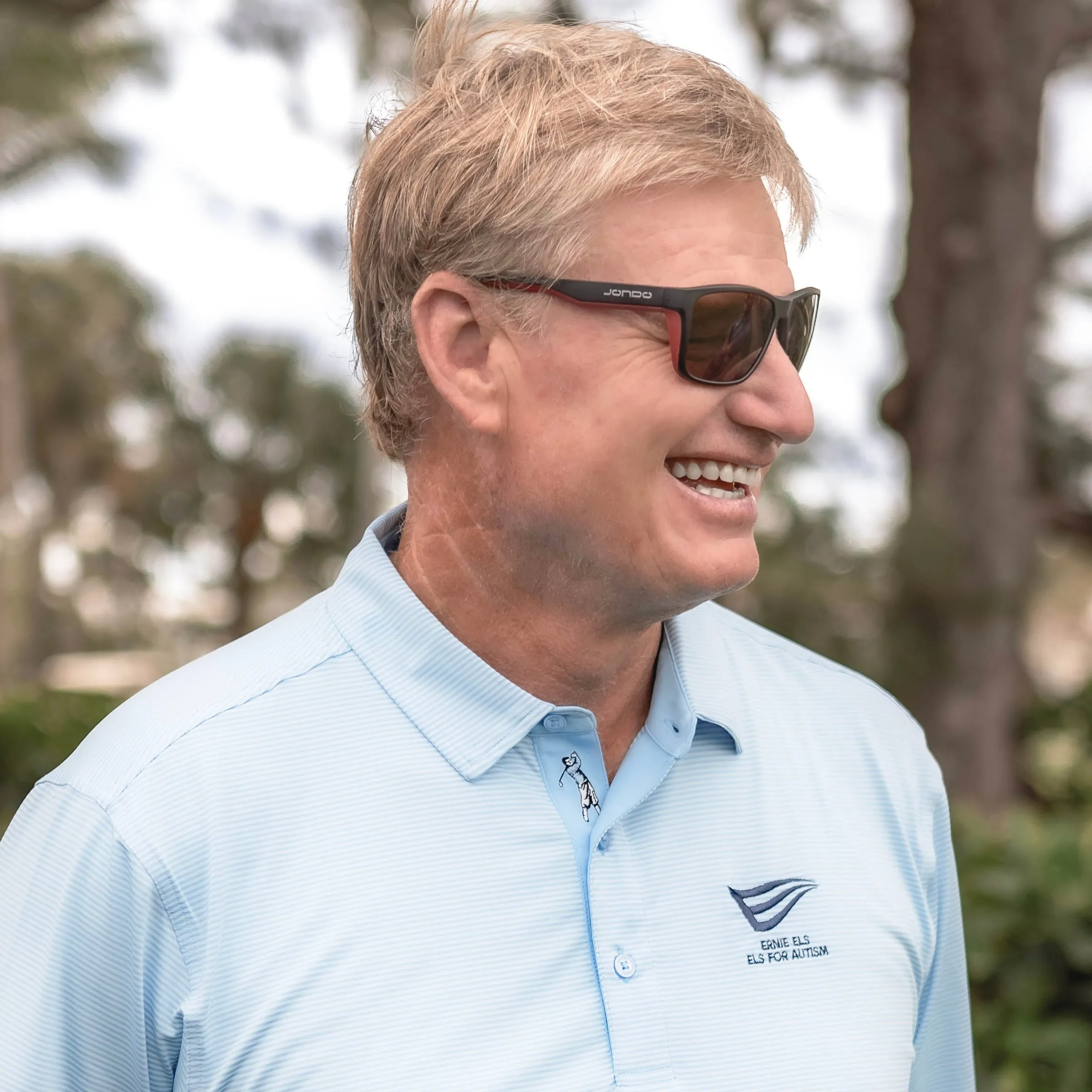 Ernie Els wearing the Club Champ model. When a 4x Major Champion both endorses and invests in a product, the website needs to reflect that caliber.
SEO Architecture from Day One
Every URL, every collection page, every piece of content was built with search intent in mind.
Collection pages targeted specific keyword clusters:
/collections/golf-sunglasses→ “golf sunglasses” (5,400/mo)/collections/woman→ “golf sunglasses for women” (210/mo)- Product pages optimized for model names that would become branded searches
Content marketing through Shopify’s blog addressed questions golfers actually ask:
- “Should you wear polarized sunglasses for golf?” (now ranking #8 and #9 for related terms)
- “How to read greens better with the right sunglasses” (now ranking #3 for “green reading glasses golf”)
- “Best sunglasses for golf: a comprehensive guide” (now ranking for 5+ terms)
Each blog post answers a specific question golfers actually type into Google. Not filler content. Posts that earn rankings and bring in traffic on their own.
Six Schema Types for AI Readiness
This is where most e-commerce builds stop. I didn’t.
I implemented six distinct schema markup types across the site:
| Schema Type | Purpose |
|---|---|
| Brand | Identifies JONDO as a tour-trusted eyewear brand with Ernie Els as ambassador |
| Product | Structured data for each model (Club Champ, Rambo, Sandy, etc.) with pricing, SKUs, and specs |
| LocalBusiness | Full NAP data: 106 Langtree Village Drive, Suite 301, Mooresville, NC 28117 |
| SportingGoodsStore | Business category classification for sports retail |
| Organization | Standard business metadata with social profiles |
| FAQ | Structured Q&A targeting common golf eyewear questions |
Schema markup is code that tells Google (and AI tools) exactly what your business sells, where you’re located, and how to categorize you. Without it, search engines guess. With it, they know.
For a brand with zero online history, this matters even more. Structured data gives Google the shortcut it needs to understand and recommend JondoSport faster than organic authority alone would take.
The Competitive Reality
Here’s context most agencies would skip. JondoSport isn’t competing against other small brands. The “golf sunglasses” search results include some of the biggest names in eyewear:
| Position | Brand | What They Have |
|---|---|---|
| #1 | RIA Eyewear | 2,772 keywords, 11,163 monthly traffic |
| #4 | Oakley | Global brand, massive domain authority |
| #5 | Sundog Eyewear | 608 keywords, decades of brand history |
| #6 | Tifosi Optics | Established golf + cycling eyewear brand |
| #7 | Goodr | Viral brand, cult following |
| #11 | JondoSport | 352 keywords, 6 months old |
JondoSport reached 352 keywords from zero in 6 months. For context, Peak Vision has 574 keywords after years in the market. Sundog has 608. JondoSport is already closing the gap on brands that have been building their online presence for years.
The #6 ranking for “golf sunglasses for women” (210 monthly searches) is the one I keep pointing to. JondoSport sits on page 1, ahead of Tifosi and Shady Rays, right behind PGA Tour Superstore and RIA Eyewear. Maui Jim at #1. For a brand that didn’t have a website 6 months earlier, that’s a rookie finishing top 10 at a major tournament.
The AI Visibility Honest Assessment
I could tell you the AI optimization work is done. That would be dishonest.
Here’s the reality: I tested 6 common golf eyewear queries across AI search tools (ChatGPT, Google AI Overviews, Gemini). JondoSport appeared in 1 out of 6, with a partial mention on a second.
Where AI does recommend JondoSport: When someone asks about “golf sunglasses that help read greens,” KRISP technology gets cited alongside Oakley Prizm and RIA Golf HD+. That’s a win for a 6-month-old brand.
Where AI doesn’t (yet): For broad queries like “best golf sunglasses” or “golf sunglasses for women,” AI tools still recommend Oakley, Maui Jim, Knockaround, and Goodr. Brands with years of editorial coverage, Reddit discussions, YouTube reviews, and forum mentions that JondoSport simply doesn’t have yet.
Why: AI tools weight three signals that JondoSport is still building:
- Editorial coverage from major golf publications (MyGolfSpy, GolfDigest, Golf.com). JondoSport has trade press coverage (The Golf Wire, SGB Media) but not mainstream consumer golf media yet.
- User-generated discussion on Reddit, YouTube, and golf forums. Zero presence currently.
- Content depth relative to competitors. 352 keywords vs. RIA Eyewear’s 2,772.
The technical work is done. Schema markup, content structure, site architecture. All in place. What comes next is the part I can’t build alone: editorial features in major golf publications, Reddit discussions, YouTube reviews. Those signals take time and PR effort, not just SEO.
I’m including this because most agencies would just say “AI optimized” and move on. The honest version: the foundation is solid, and the next investment should go toward the press coverage and social proof that AI tools actually weight when deciding who to recommend.
What The Results Actually Mean
So what do 352 keywords and 13+ page 1 positions actually mean when you’re selling $217 to $274 sunglasses?
The organic traffic value is $278/month. That’s what Google Ads would charge for the same clicks. Not life-changing on its own. But that number misses the point:
A golfer who finds JondoSport through a “golf sunglasses for women” search and sees Ernie Els endorsing the product, reads about KRISP technology, and sees the Modrn Golf award is not a casual browser. That’s a qualified buyer with a $200+ purchase intent.
One converted search visitor per month at $250 average order value pays for the organic traffic investment many times over. And unlike paid ads, these rankings compound. A blog post written 6 months ago is still earning new keyword positions today. The ad you ran 6 months ago? Gone the second you stopped paying.
The keyword count is still climbing. Rankings are still tightening. That’s what happens when the foundation is right.
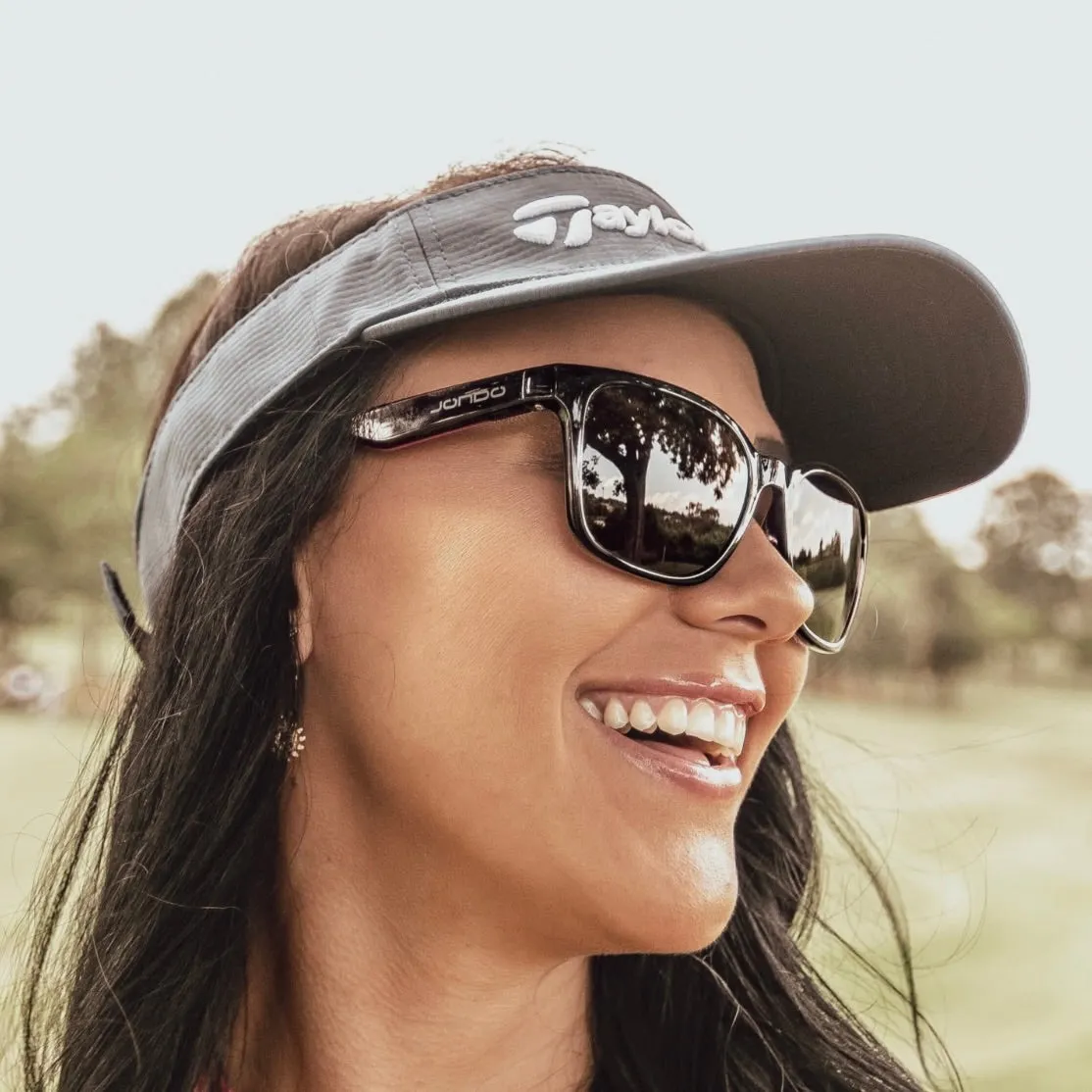
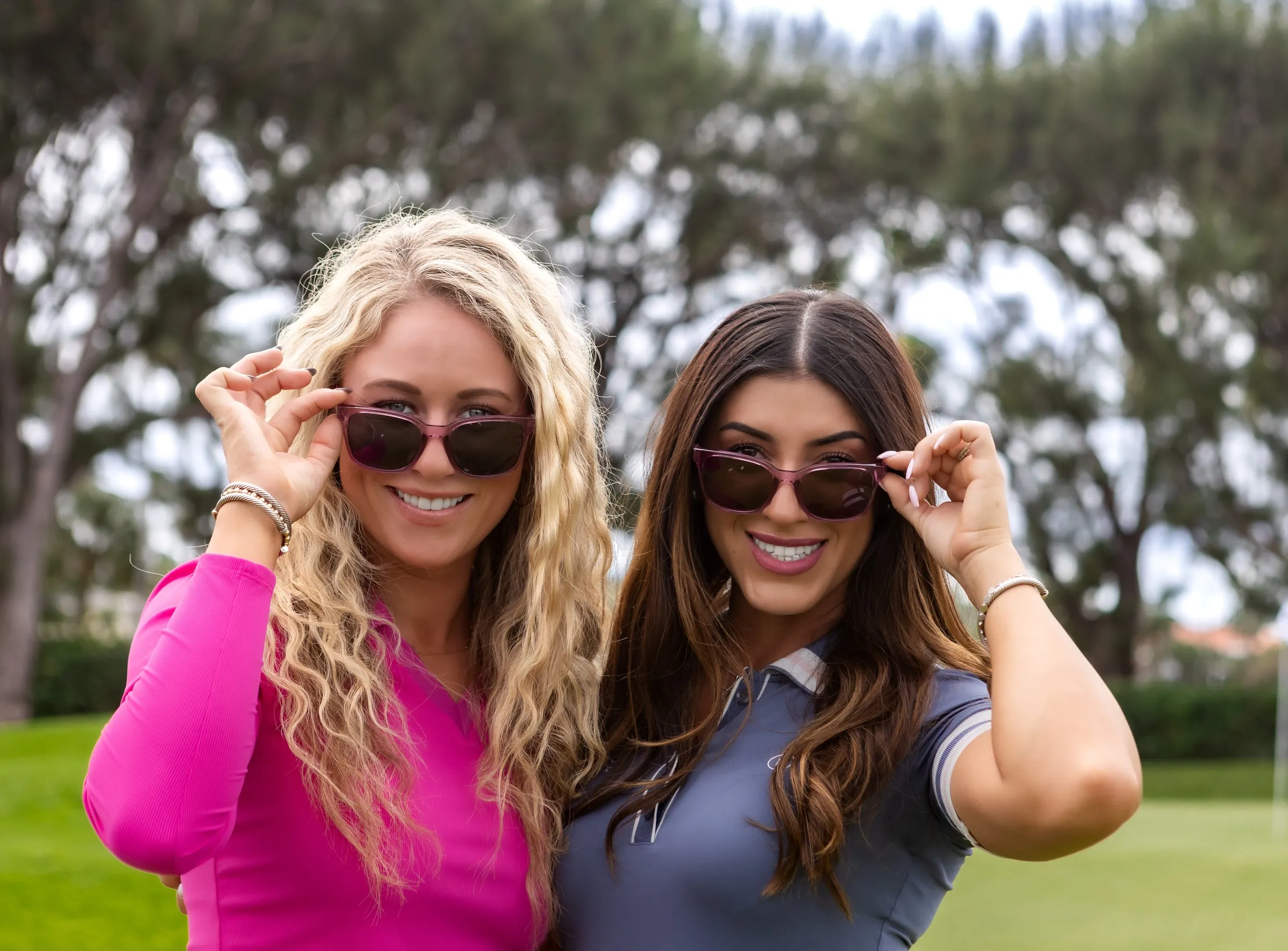 On-course lifestyle photography I directed for the JondoSport collection. The website had to feel like a brand you’d expect to see next to Oakley in a pro shop, not a Shopify template.
About the Partnership
This project was a collaboration between two teams with clear roles:
Digital Marketing Services (DMS):
- Shopify store design and user experience
- SEO strategy, keyword research, and content architecture
- Blog content creation targeting search-driven topics
- Schema markup implementation (all 6 types)
- AI optimization and structured data strategy
eSEO Space:
- Client communication and account management
- Project coordination and delivery
I’ve worked with eSEO Space for over 4 years. This model works because each team focuses on what they do best. They manage the client relationship. I build the digital foundation.
The Lesson I Keep Repeating
SEO isn’t something you add later. It goes into the foundation.
If JondoSport had launched a nice Shopify store and then called someone about SEO 6 months later, they’d be starting from zero with a site that wasn’t built for search. I see this constantly. Beautiful stores, no organic traffic, and now you’re paying to redo the URL structure, the content, the schema, the collection architecture. Twice the cost, half the momentum.
JondoSport launched with everything connected: URL structures designed for search intent, content targeting queries golfers actually search, structured data telling Google what the brand is, and a blog that’s already earning page 1 rankings on its own. Six months of compound growth that a “we’ll do SEO later” approach would have missed entirely.
If you’re launching an e-commerce brand (or rebuilding one that isn’t pulling organic traffic), let’s have a 30-minute conversation about what’s realistic for your market.
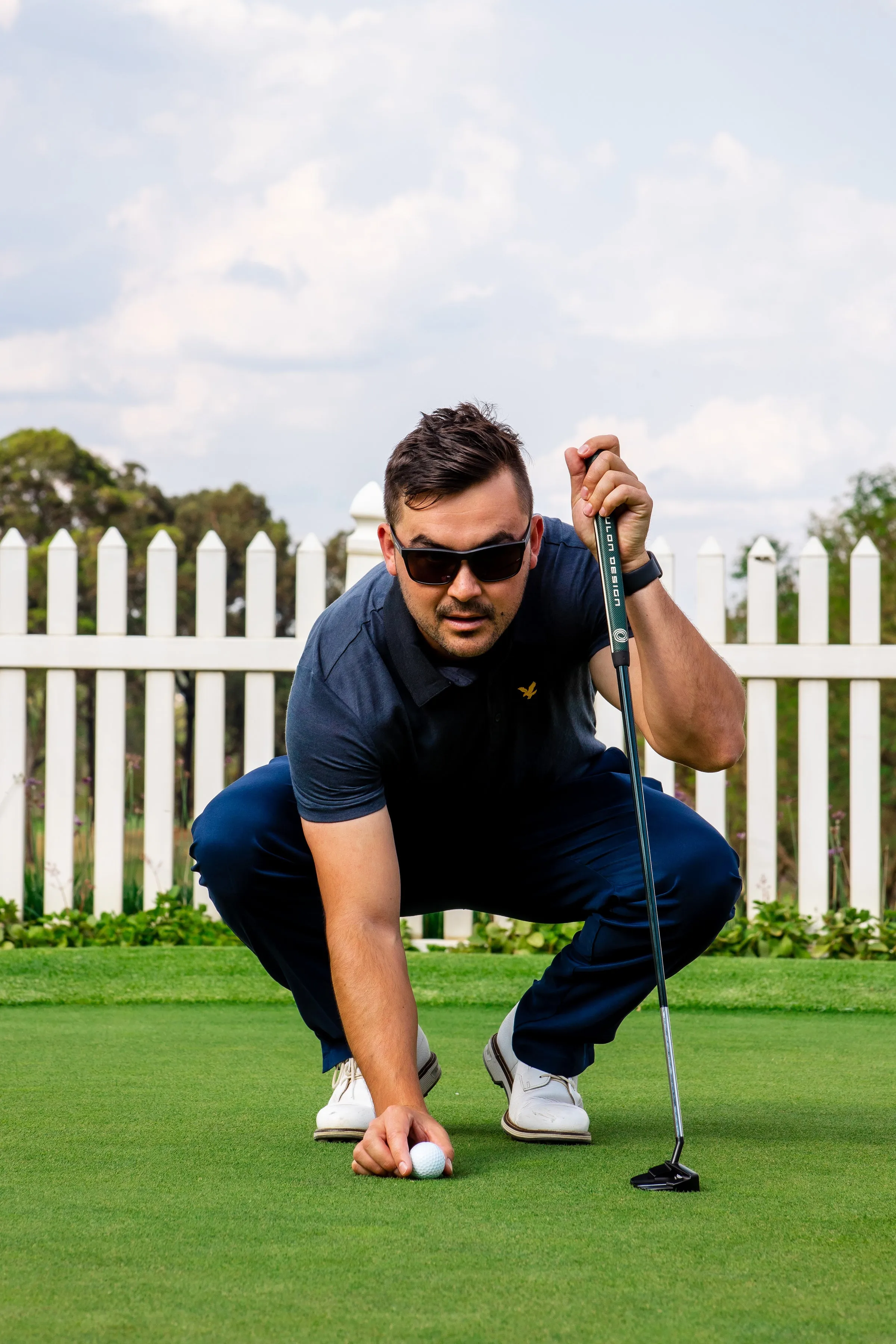 On-course lifestyle
 Ernie Els, Club Champ
 Rambo, KRISP lens
 Women's collection
 Sandy model
 Full collection
 Dovetail model
 Gimme model
Common Questions
Frequently Asked Questions
For a new e-commerce brand launching into a competitive market, expect to invest $5,000 to $10,000 for the initial web design, SEO architecture, and content foundation. Ongoing SEO (content creation, link building, technical optimization) typically runs $1,500 to $3,000/month depending on how competitive your market is. The JondoSport project fell in the $5K to $10K range for the initial build, which included web design, SEO, and AI optimization.
JondoSport hit #1 for all branded terms within 3 months and earned 13+ page 1 positions within 6 months. That's faster than average because the SEO architecture was built into the site from day one, not added after launch. For a new e-commerce site with proper foundation work, expect 3 to 6 months for branded terms and 6 to 12 months for competitive non-branded terms. Sites that launch without SEO and try to add it later typically take 12 to 18 months to reach the same positions.
Yes, but strategy matters more than budget. JondoSport competes against Oakley, Maui Jim, and Goodr in search results despite being a fraction of their size. The key is targeting specific keyword clusters where you can win (like 'golf sunglasses for women' where JondoSport ranks #6) rather than trying to rank #1 for the broadest terms immediately. You build from specific wins to broader authority over time.
SEO focuses on ranking your pages in traditional Google search results. AIO (AI Optimization) focuses on getting your brand recommended by AI tools like ChatGPT, Google AI Overviews, and Gemini. They share a foundation (structured content, schema markup, authoritative information) but AIO also requires signals that SEO doesn't: editorial coverage, user-generated discussion, and content depth that AI models can confidently cite. For JondoSport, the SEO results are strong. The AIO foundation is built, but the editorial and social signals are still developing.
You can start with just web design, but you'll be leaving money on the table. A beautiful e-commerce store without SEO generates zero organic traffic. And an SEO-optimized site without AI-ready structure misses the growing segment of AI-driven product discovery. The JondoSport results happened because all three worked together from the start. The site architecture, URL structure, content, and schema markup were all designed as one connected system. Bolting SEO onto an existing site is possible but always slower and more expensive than building it right from the foundation.
Schema markup is code that tells Google (and AI tools) exactly what your business sells, where you're located, and how to categorize your products. Without it, search engines have to guess. For JondoSport, I implemented 6 schema types (Brand, Product, LocalBusiness, SportingGoodsStore, Organization, FAQ) that clearly tell Google 'this is a premium golf eyewear brand based in Mooresville, NC.' That clarity helps search engines and AI tools recommend JondoSport confidently. Think of schema as giving Google a cheat sheet about your business instead of making it figure things out on its own.
Not Ready Yet?
That’s okay. Here’s how to prepare for when you are.
Do this now (free):
- Search your brand name on Google. Do you own position #1? If not, you have a branding problem that’s costing you sales.
- Search your top 3 product keywords. Count how many page 1 results belong to competitors.
- Ask ChatGPT “What are the best [your product category]?” See if your brand comes up.
Questions to answer before we talk:
- Are you launching a new e-commerce brand or rebuilding an existing one?
- Who are your top 3 competitors in search?
- What’s your price point? (This affects SEO strategy significantly.)
- Do you currently have any organic traffic, or are you starting from zero?
When the timing is right: I’m happy to take an honest look at your e-commerce SEO opportunity. No obligation, no pitch.
If you’re launching a brand into a competitive market and want the web, SEO, and AI foundations built correctly from day one, let’s have a 30-minute conversation about what’s realistic.
Case study by
Kristian Kreaktive
Founder & Lead Strategist at Digital Marketing Services
17+ years of experience helping small businesses grow their online presence through strategic SEO, web design, and branding.
In collaboration with
eSEO Space
Client Communication & Account Management
eSEO Space managed client relations while DMS handled all web design, SEO, and AIO implementation.
Learn more about our partnershipMore Web Design Success Stories

Bot Image AI: Zero to 158 Keywords for FDA-Cleared Tech
158 organic keywords with #1 positions for ProstatID and core brand terms

Ladies of Liberty: A Redesign That Matched the Mission's Energy
249 organic keywords and #1 rankings for core brand terms plus top-5 positions for high-search-volume speaker names
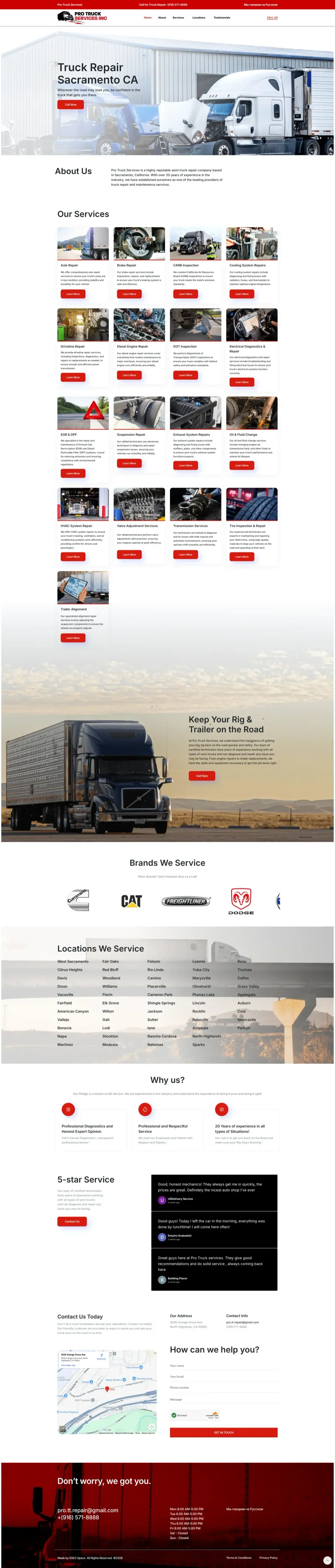
Website Design and Local SEO for Truck Repair in Sacramento, CA
0 to 31 organic keywords with multi-location visibility across Sacramento metro