

On this page
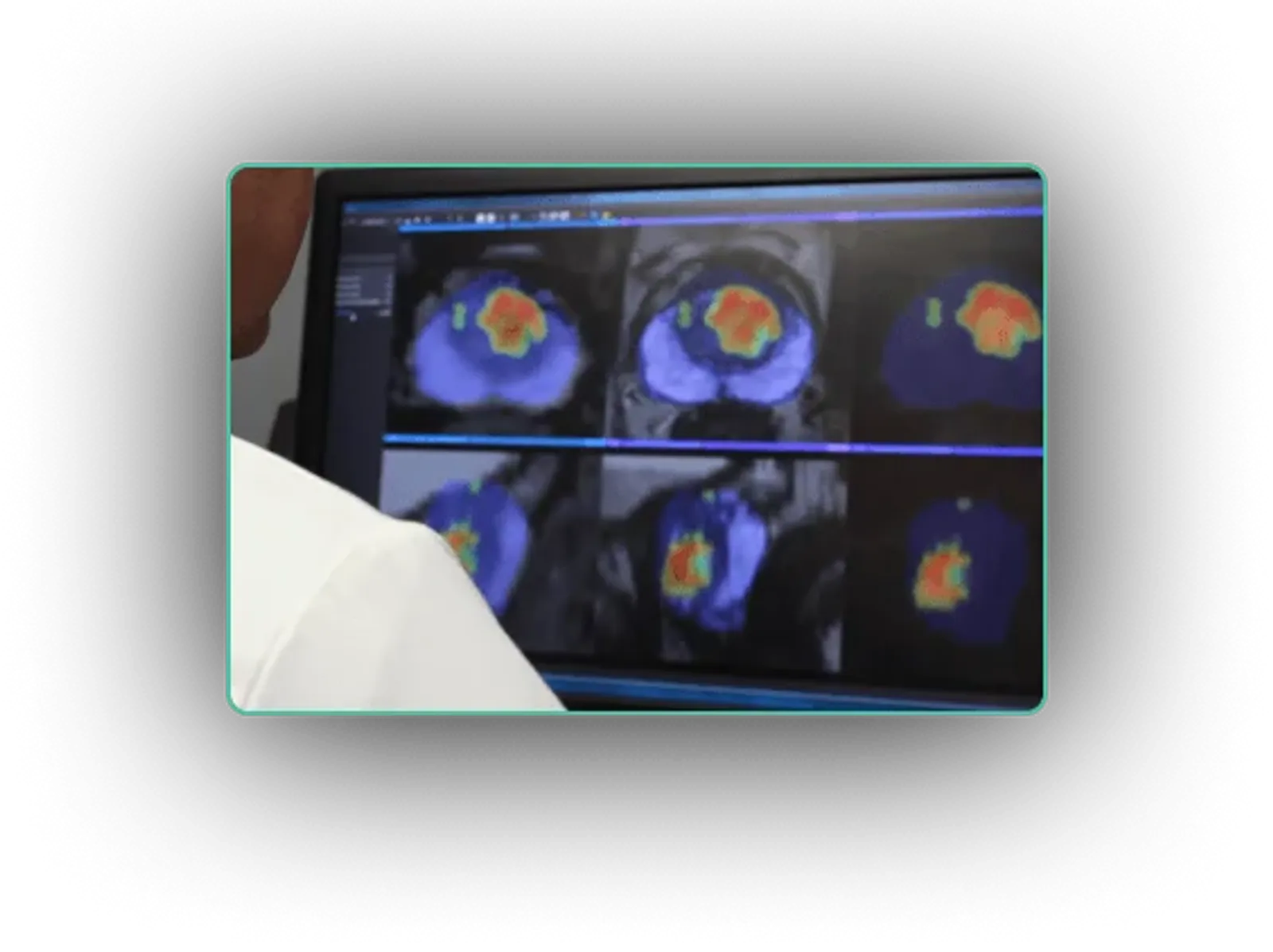
Bot Image Inc. built ProstatID, North America’s first FDA-Cleared AI software for prostate cancer screening and detection. Hospitals use it. Physicians trust it. The technology processes biparametric MRI scans without contrast agents, delivering 93.6% sensitivity-specificity (AUROC) compared to 75.9% for physicians reading the same scans manually.
That is not a pitch deck bullet point. That is clinical reality, cleared by the FDA in July 2022.
But when a hospital administrator or radiologist went to research this technology online, there was nothing to find. No website. No digital presence. A company with FDA clearance and peer-reviewed research, invisible on the web.
The Problem: FDA Clearance Without a Digital Front Door
The product cleared the FDA. The science is peer-reviewed. The technology integrates into hospital imaging systems across GE, Philips, and Siemens platforms. But none of that mattered online because Bot Image had no website to communicate it.
In healthcare B2B, the buying process starts with research. Hospital administrators, radiologists, and procurement teams evaluate vendors online before the first phone call. When a physician hears about an AI diagnostic tool and searches for it, the company’s website is the first proof point.
No website means no credibility check. No credibility check means no demo call.
Bot Image had the hardest part done: the FDA clearance, the clinical validation, the technology that actually works. What they did not have was a way to present it to the people who make buying decisions.
The Design: Building a Site That Earns Trust Before the Demo Call
I designed every page of botimageai.com from the ground up. Full UX research, wireframing, and visual design for a company that had no previous web presence. The challenge was specific: translate clinical credibility into a digital experience that a hospital buyer would trust within seconds.
The hero carousel cycles through four panels showing ProstatID in clinical context. Each panel reinforces a different angle: the product interface, the technology behind it, the clinical workflow, the team. The institutional blue palette (#0a53a9, #00a083) reads “medical” without feeling sterile. Typography mixes Roboto Serif for headlines with DM Sans for body text: serious enough for a clinician, readable enough for everyone else.
Product separation was where the design got specific. Bot Image offers two distinct products. ProstatID is the FDA-cleared diagnostic platform for healthcare providers. MaleScan is a patient-facing application that lets individuals and their physicians upload MRI scans and receive AI-supported diagnostic reports within minutes. Each product needed its own clear identity and dedicated page structure.
On the ProstatID page, I organized content around three pillars: Advanced, Accurate, and Accessible. The AUROC comparison (93.6% vs. 75.9%) sits at the top of the page because that is the number a radiologist evaluating this tool needs to see first. Below that, a four-step clinical workflow diagram (Scan, Detect, Diagnose, Treat) walks a hospital buyer through exactly how ProstatID integrates into their existing systems.
The workflow diagram is not decorative. It answers the operational question every hospital IT team asks: “How does this fit into what we already do?” The answer (connection within an hour, compatible across major MRI platforms) reduces the implementation anxiety that kills healthcare tech deals.
Partnership credibility is built into the page structure. Logos from Blackford, TeraRecon, and Ferrum Health appear as technology integration partners. In healthcare, who you integrate with matters as much as what your product does.
The entire site was built on WordPress, giving Bot Image’s team full control over content updates, blog publishing, and investor communications without needing a developer for every change.


The Results: 158 Keywords in a Niche Where One Lead Changes Everything
Before this project, Bot Image had zero web presence. No website, no search rankings, no organic traffic. Starting from nothing.
Here is where the site stands now:
| Metric | Result |
|---|---|
| Organic Keywords | 158 |
| Monthly Organic Traffic | 412 visits |
| Traffic Value | $237/month |
| Investment Range | Under $5K |
| Timeline | Q1 2024 |
In healthcare B2B, raw traffic numbers do not tell the full story. Bot Image does not need 10,000 monthly visitors. They need the right 10: hospital administrators, radiologists, and procurement officers evaluating AI diagnostic tools. One contract with a hospital system is worth more than years of consumer web traffic.
The site holds #1 positions for its core product terms:
| Keyword | Position | Monthly Searches |
|---|---|---|
| bot image | #1 | 390 |
| prostatid | #1 | 50 |
| ai bot image | #1 | 70 |
It also ranks for clinically relevant terms that healthcare professionals search:
| Keyword | Position | Monthly Searches |
|---|---|---|
| dce positive | #3 | 50 |
| werfull dce | #4 | 110 |
| dwi and adc | #5 | 140 |
| dwi and adc interpretation | #5 | 50 |
| dwi vs adc | #6 | 50 |
| prostate mri ai news | #7 | 170 |
| mpmri | #11 | 260 |
| adc mri | #12 | 320 |
These are not commercial keywords driving direct sales. They are educational and clinical terms that put Bot Image on the map as a reference source in prostate MRI diagnostics. When a radiologist searches “dwi and adc interpretation” and lands on Bot Image’s content, they learn ProstatID exists. That is how healthcare B2B pipelines start.
Competitive context: Bot Image competes in the same space as adcmri.com (402 keywords), imagebot.ai (186 keywords), and adcmaps.com. For a company that started from zero, holding 158 keywords and growing puts them within striking distance of established competitors in the prostate imaging AI space.
What Made This Work
Three things connected the design to the search results:
Trust architecture. Hospital buyers evaluate vendors in seconds. The site structure puts FDA clearance, clinical metrics, and integration partners above the fold. Every page answers the implicit question: “Can I trust this company with diagnostic decisions?” The web design answers that before anyone reads a word of copy.
Product clarity. ProstatID and MaleScan serve different users with different needs. Separating them into distinct product pages with dedicated content gives each product its own search footprint. A radiologist searching for AI-assisted prostate MRI tools lands on ProstatID. A patient researching screening options finds MaleScan. One company, two clear paths.
Clinical content depth. The educational pages on DWI/ADC mapping, DCE MRI assessment, and mpMRI imaging are not blog filler. They are reference content that radiologists and medical professionals actually search for. This content strategy builds topical authority in prostate imaging, which lifts the entire domain’s credibility with search engines.
The Partnership
This project was a collaboration with eSEO Space. I designed the complete UI across every page of the site, from UX research and wireframing through final visual design. eSEO Space handled WordPress development, SEO optimization, content writing, and client communications.
Is This Right for Your Business?
Bot Image had something most businesses would kill for: FDA clearance, peer-reviewed technology, and a product that hospitals actually use. What they did not have was a website.
If your situation is similar, if you have built something real but your online presence does not reflect it, this is the easiest gap to close. You do not need a six-figure marketing budget. You need a site that communicates your credibility to the people who make buying decisions.
Bot Image went from zero to 158 keywords and #1 positions for under $5,000. The technology did not change. The website did.
Send me your current site (or tell me you do not have one yet) and I will show you the three biggest opportunities you are missing. Book a call here.
FAQs
How much does a healthcare tech website cost?
This project was completed for under $5,000, which covered the full UX research, wireframing, and UI design across all pages. Development, SEO, and content were handled separately by eSEO Space. A comparable project for a healthcare technology company with product pages, clinical content, and an investor section typically falls in the $3,000 to $8,000 range for design, depending on page count and complexity.
Does SEO work for B2B companies with long sales cycles?
Yes, and it is arguably more important for long-cycle B2B than for consumer businesses. Healthcare purchasing decisions can take 6 to 18 months. During that time, decision-makers research vendors online multiple times. Every time they search and find your content, you build familiarity and credibility. Bot Image’s clinical content pages (DWI/ADC mapping, mpMRI imaging, DCE assessment) serve exactly this function: they keep Bot Image visible throughout the entire evaluation period. That is the kind of long-game visibility that AI optimization reinforces.
Can a small healthcare tech company compete online against enterprise vendors?
Size matters less than specificity. Bot Image competes in a narrow niche: AI-assisted prostate MRI diagnostics. Enterprise vendors like Siemens and GE build the MRI machines, but they are not creating dedicated content about AI-powered prostate cancer screening. That specificity gives Bot Image a search advantage in their exact specialty. The site ranks for clinical terms that larger companies are not even targeting.
How long from website launch to measurable search results?
Bot Image launched in early 2024 and now holds 158 keywords with #1 positions for core product terms. Typical healthcare B2B sites start seeing ranking improvements within 90 to 120 days of launch, with meaningful keyword growth building over 6 to 12 months. The timeline depends on how much original clinical or educational content the site publishes after launch.
Project Gallery
Case study by
Kristian Kreaktive
Founder & Lead Strategist at Digital Marketing Services
17+ years of experience helping small businesses grow their online presence through strategic SEO, web design, and branding.
In collaboration with
eSEO Space
UI Design (All Pages)
I designed the complete website UI across all pages. eSEO Space handled WordPress development, SEO optimization, content writing, and client communications.
Learn more about our partnershipMore Web Design Success Stories

Ladies of Liberty: A Redesign That Matched the Mission's Energy
249 organic keywords and #1 rankings for core brand terms plus top-5 positions for high-search-volume speaker names
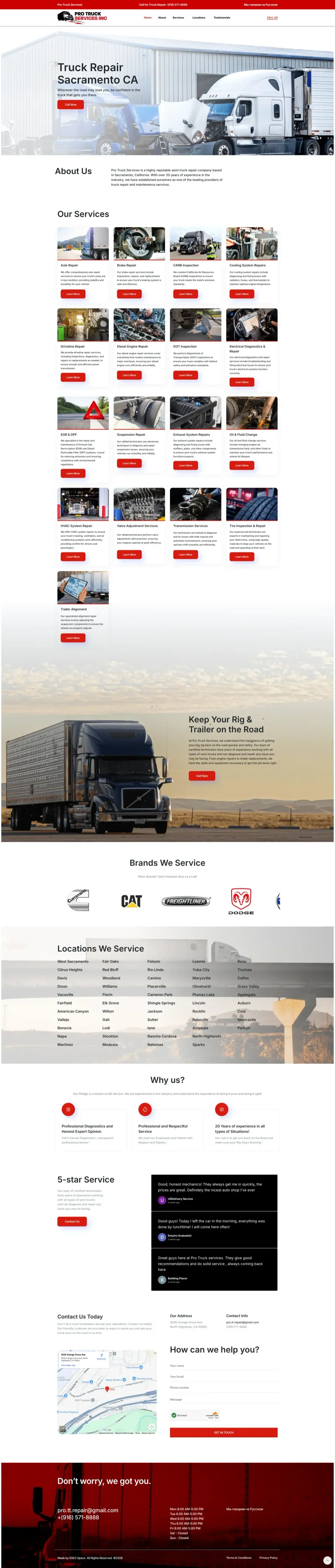
Website Design and Local SEO for Truck Repair in Sacramento, CA
0 to 31 organic keywords with multi-location visibility across Sacramento metro
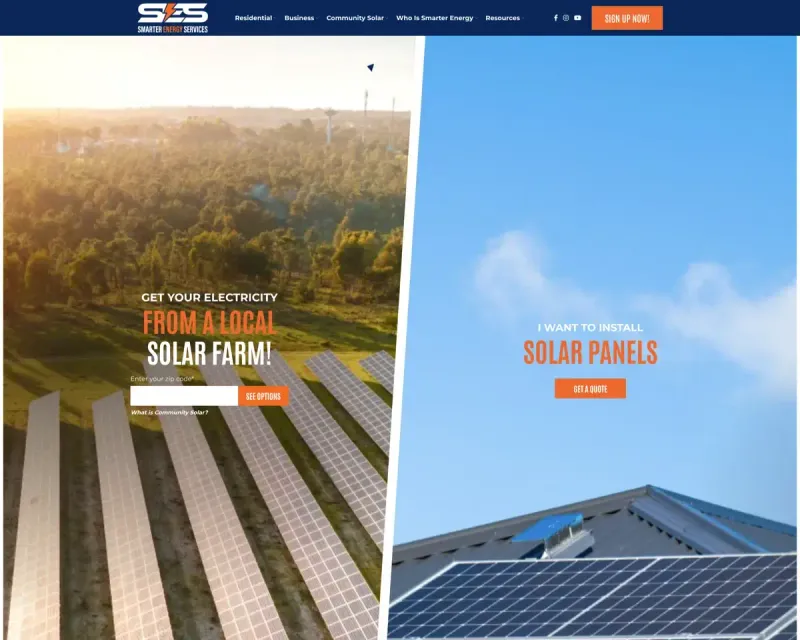
Smarter Energy Services: Solar Design That Ranks #1 in Brooklyn
#1 for brand term, top 5 solar keyword positions, and $285/month organic traffic value