Colorado Springs Digital Marketing
I can get you found on Google| If nothing changes in 30 days I Refund Every Dollar.
Measurable progress on your target keywords, verified in search rankings, or full refund.
Digital Marketing Services is rated by 30 clients on Google. Colorado Springs SEO, web design, branding, and AI optimization for small businesses.
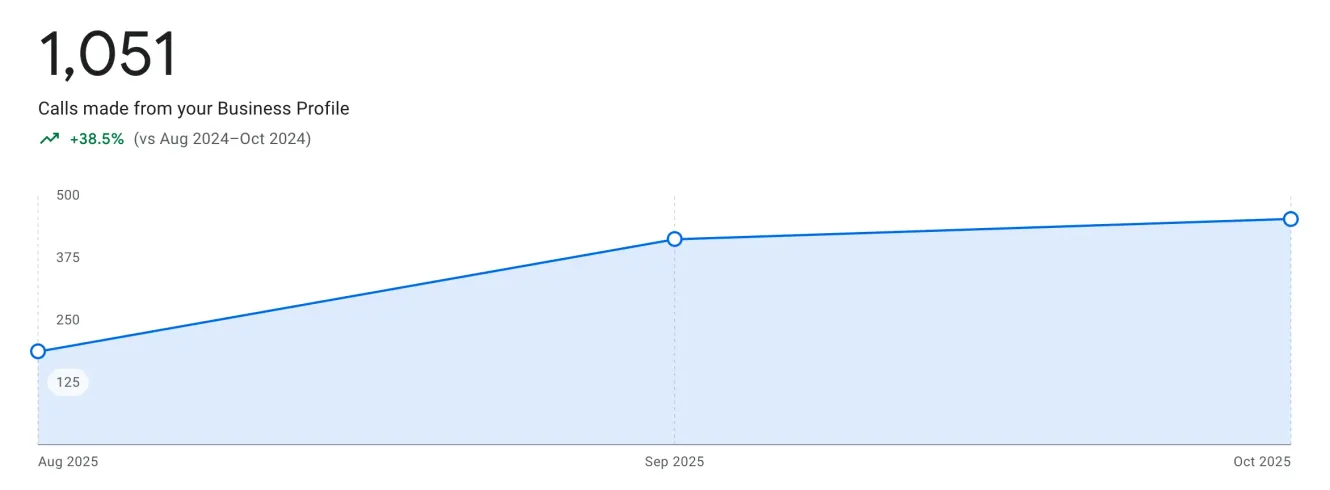
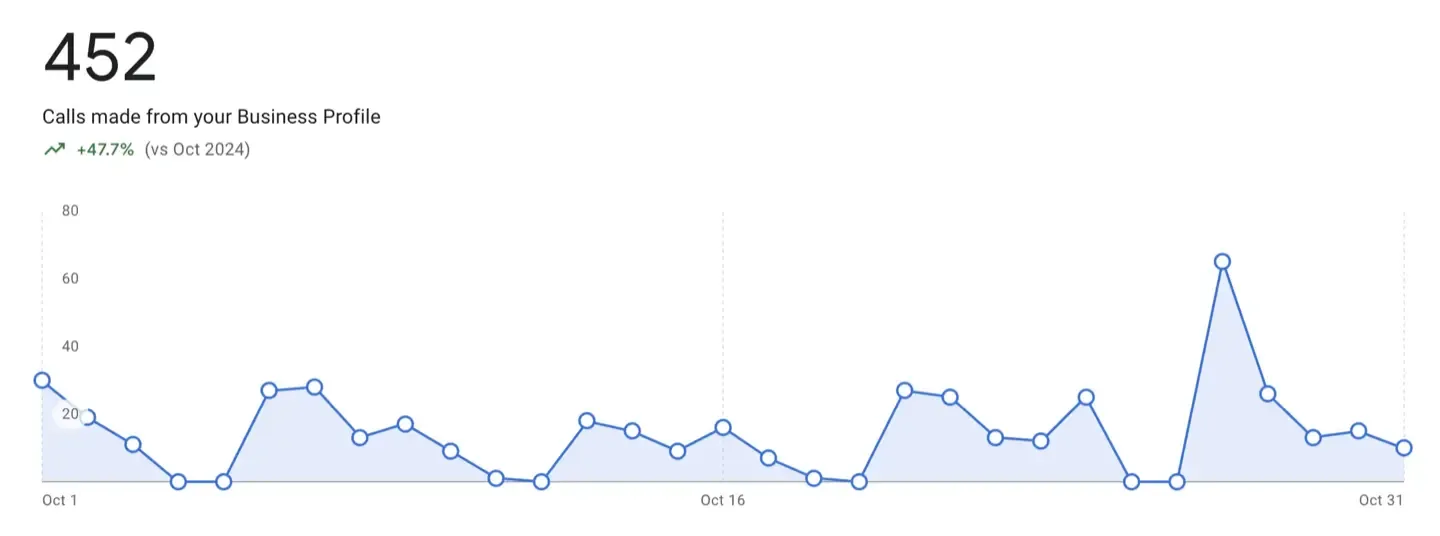
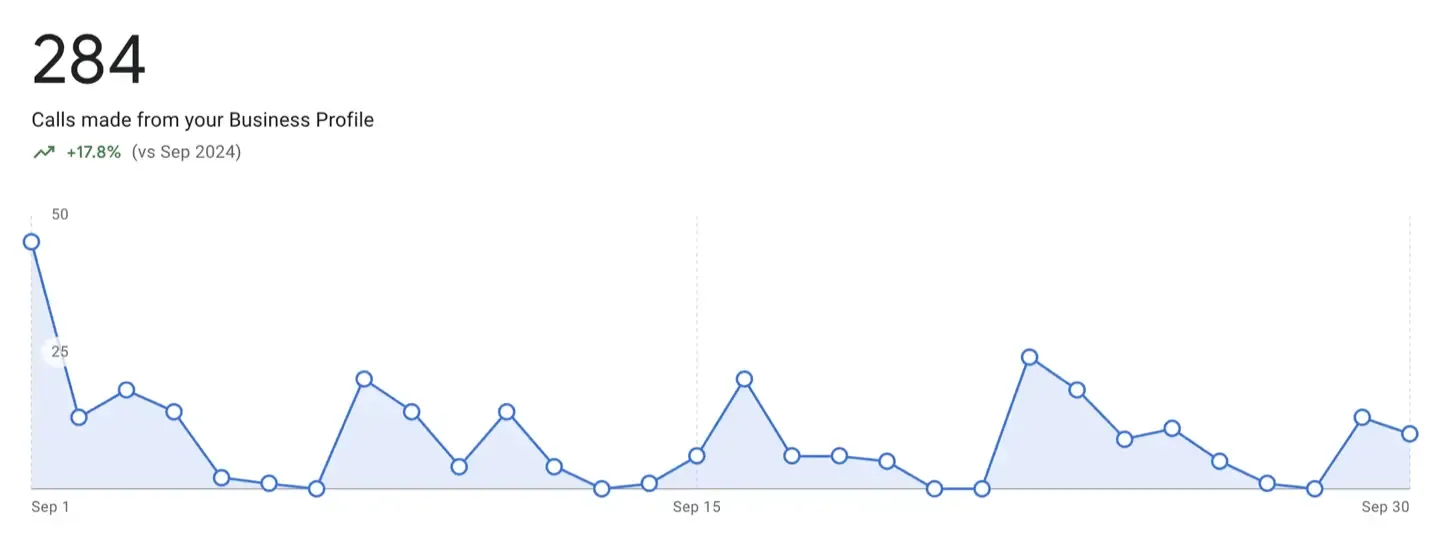
Real results for a Colorado Springs contractor
0 phone calls in three months. From Google alone.
Why should you trust me?
Google did.
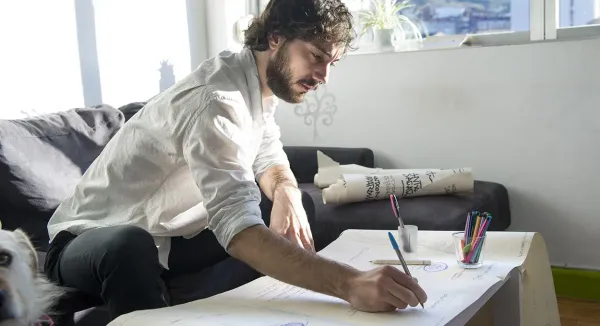
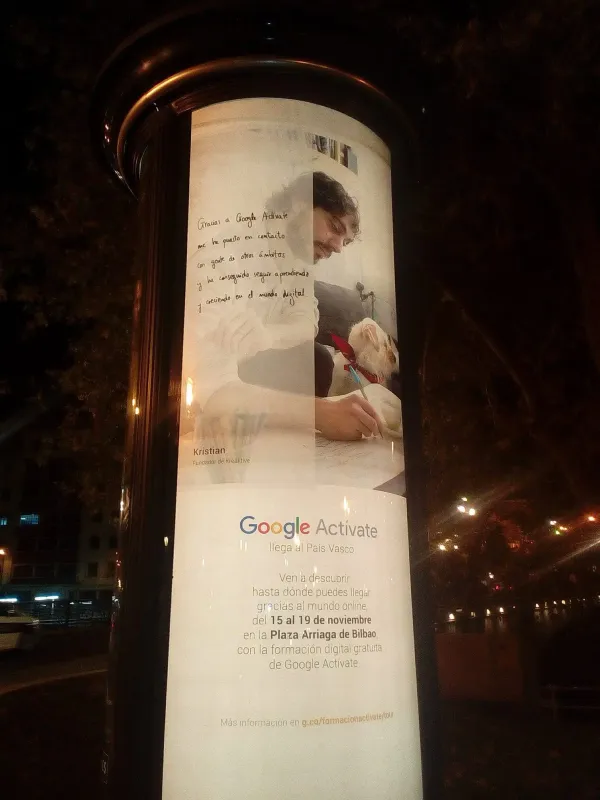
I didn't learn SEO from a blog. I worked with Google directly. They featured me on their Google Activate program all over Europe. If Google trusted me to represent them, you can trust me to rank you on them.
"Kristian listened to me from the beginning and provided a detailed plan for social media, emails, and my website. He lets you give feedback and works with your ideas, but if something doesn't fit, he tells you why. Thanks to his work, my website receives much more traffic, social media engagement is up, and emails perform much better than before. You can communicate with him in English or Spanish, which is very helpful. I highly recommend Kristian from Kreaktive!"
"We have been working with Kristian at KREAKTIVE for 4+ years now. They have designed more than 40+ websites for us and our clients - always impressive. The designs are fresh, creative, and always spot on. You won't regret working with Kristian"
"His keen eye for detail, innovative approach, and user-friendly designs have transformed my online presence. Since the launch of the new site, my sales have skyrocketed, and customer engagement has doubled. Kristian didn't just deliver a website; he delivered a game-changing asset to my business. If you're looking to elevate your digital footprint, Kreaktive is your go-to web designer!"
"I am extremely satisfied with the work done by this graphic design company! They have perfectly captured the essence of our casual fusion food restaurant through their creativity and professionalism. The corporate identity they have created for us is fresh, modern and totally unique, perfectly reflecting what we wanted to convey. In addition, the menu design is simply spectacular, with a visually appealing presentation that has received praise from our customers. I would without hesitation recommend the services of this company to anyone looking for exceptional graphic design work!"
"Working with Kreaktive for our marketing was our best choice! Kris is attentive and very creative to our company's ever changing dynamics. Our digital visibility has skyrocketed!"
"KREAKTIVE consistently excels in their website design work by creating visually stunning and user-friendly designs and website interfaces that go above and beyond. I'd recommend them to everyone!"
"Kreative is knowledgeable, professional, and thorough with their marketing strategies. Kris' support with our website and digital marketing has strengthened our branding as a company and generates solid organic leads! Thanks Kreative!"
"I would only trust the best with a project this big and Kristian exceeded all expectations. Flawless and creative designs that are well thought out. I will definitely keep coming back with other projects down the line."
"Kristian makes amazing websites!! I highly recommend his services."
"The best content creator, branding, and logo specialist in Colorado Springs"
"I worked with Kristian on my company's branding and website, and the experience was fantastic. He creatively guides you and offers multiple options until you find the perfect fit. He's always available and attentive to any changes or concerns you might have. He explains the entire process and functionality of your website every step of the way and is 100% available to answer any questions. I would definitely recommend him for his creativity, availability, and professionalism."
"I couldn't be more satisfied with Kristian's work in creating my clinic's website. His knowledge is top-notch. At first, I struggled to understand the process, but thanks to his patience and experience, everything came together perfectly. The result is very, very good: a functional, attractive website perfectly tailored to my needs. He's also always willing to help and contribute valuable ideas. If you're looking for someone who truly knows what they're doing and will be 100% involved in your project, Kreaktive is the best choice. Highly recommended! Thank you for your work :)"
"When undertaking a project to create a professional image without losing that personal touch, a good design is essential. At Kreaktive, they provided us with all the care and dedication expected of a professional, without losing the good taste and originality that can make a difference in a business. The service is unbeatable and highly recommended. If you want to update your brand, it's a good idea to put yourself in their hands."
"Perfect for the presentation of my latest project. Both its designs and its innovation in the field stand out from other platforms. The care is evident in the small details. I highly recommend it!"
"When we want to create a website for our business, whatever its size, we first think about its appearance and content. Generally, the designer takes care of the look and the client of the content (photos, text, etc.). Nothing new there. Kreaktive is a company that provides you with a commercial and strategic vision so that the website, or any other form of advertising, fulfills its purpose and doesn't become a mere decorative showcase. I must also highlight their excellent personal service and approachability... but above all, their professionalism! Kreaktive provided me with numerous perspectives and logical ideas that had never crossed my mind."
"Fantastic partner for branding, web, and marketing tasks. They adapt to the size of the project and centralize solutions for needs across multiple areas."
"Creativity, quality, and passion for their work. Fresh ideas and a tastefully designed final product. 100% recommended"
"Fresh ideas and demonstrable experience in the sector. As the name suggests, creativity abounds. Highly recommended!"
"Highly recommended! Their ideas and attention to detail brought our logo to life, and that wasn't easy. Thank you so much for everything. We'll definitely be back."
"Always very attentive and with excellent customer service. Highly recommended."
"I cannot recommend Kreaktive highly enough!! Working with them has been an absolute game-changer. Their marketing strategies are both creative and effective. It feels like I've hired my own full-time marketing person, but even better. They did our branding and website and SEO, and I don't think I could have found a better option. They have an amazing eye for detail and a unique ability to turn my crazy ideas into reality and actually get my website found. You can't go wrong with Kreaktive and I would highly recommend them to anyone!!"
"Great experience working with Kristian on ui/ux, web designs, branding, logo kits... anything design. The design work is phenomenal"
"The best SEO especialist and most honest man i ever met. I recommend it to everyone that wants to improve leads on their websites. 100% trust on him."
"Working with Kreative to design my app logo was an outstanding experience from start to finish! They provided everything I needed: an app icon, favicon, brand icon (both with and without text), and delivered all necessary formats including SVG, JPG, and PNG. I especially appreciated the personalized video call where we went over each detail together, making revisions in real-time. The entire project was completed smoothly and quickly in less than one week! Highly recommend Kreative for anyone needing professional and efficient graphic design work."
"Kristian listened to me from the beginning and provided a detailed plan for social media, emails, and my website. He lets you give feedback and works with your ideas, but if something doesn't fit, he tells you why. Thanks to his work, my website receives much more traffic, social media engagement is up, and emails perform much better than before. You can communicate with him in English or Spanish, which is very helpful. I highly recommend Kristian from Kreaktive!"
"We have been working with Kristian at KREAKTIVE for 4+ years now. They have designed more than 40+ websites for us and our clients - always impressive. The designs are fresh, creative, and always spot on. You won't regret working with Kristian"
"His keen eye for detail, innovative approach, and user-friendly designs have transformed my online presence. Since the launch of the new site, my sales have skyrocketed, and customer engagement has doubled. Kristian didn't just deliver a website; he delivered a game-changing asset to my business. If you're looking to elevate your digital footprint, Kreaktive is your go-to web designer!"
"I am extremely satisfied with the work done by this graphic design company! They have perfectly captured the essence of our casual fusion food restaurant through their creativity and professionalism. The corporate identity they have created for us is fresh, modern and totally unique, perfectly reflecting what we wanted to convey. In addition, the menu design is simply spectacular, with a visually appealing presentation that has received praise from our customers. I would without hesitation recommend the services of this company to anyone looking for exceptional graphic design work!"
"Working with Kreaktive for our marketing was our best choice! Kris is attentive and very creative to our company's ever changing dynamics. Our digital visibility has skyrocketed!"
"KREAKTIVE consistently excels in their website design work by creating visually stunning and user-friendly designs and website interfaces that go above and beyond. I'd recommend them to everyone!"
"Kreative is knowledgeable, professional, and thorough with their marketing strategies. Kris' support with our website and digital marketing has strengthened our branding as a company and generates solid organic leads! Thanks Kreative!"
"I would only trust the best with a project this big and Kristian exceeded all expectations. Flawless and creative designs that are well thought out. I will definitely keep coming back with other projects down the line."
"Kristian makes amazing websites!! I highly recommend his services."
"The best content creator, branding, and logo specialist in Colorado Springs"
"I worked with Kristian on my company's branding and website, and the experience was fantastic. He creatively guides you and offers multiple options until you find the perfect fit. He's always available and attentive to any changes or concerns you might have. He explains the entire process and functionality of your website every step of the way and is 100% available to answer any questions. I would definitely recommend him for his creativity, availability, and professionalism."
"I couldn't be more satisfied with Kristian's work in creating my clinic's website. His knowledge is top-notch. At first, I struggled to understand the process, but thanks to his patience and experience, everything came together perfectly. The result is very, very good: a functional, attractive website perfectly tailored to my needs. He's also always willing to help and contribute valuable ideas. If you're looking for someone who truly knows what they're doing and will be 100% involved in your project, Kreaktive is the best choice. Highly recommended! Thank you for your work :)"
"When undertaking a project to create a professional image without losing that personal touch, a good design is essential. At Kreaktive, they provided us with all the care and dedication expected of a professional, without losing the good taste and originality that can make a difference in a business. The service is unbeatable and highly recommended. If you want to update your brand, it's a good idea to put yourself in their hands."
"Perfect for the presentation of my latest project. Both its designs and its innovation in the field stand out from other platforms. The care is evident in the small details. I highly recommend it!"
"When we want to create a website for our business, whatever its size, we first think about its appearance and content. Generally, the designer takes care of the look and the client of the content (photos, text, etc.). Nothing new there. Kreaktive is a company that provides you with a commercial and strategic vision so that the website, or any other form of advertising, fulfills its purpose and doesn't become a mere decorative showcase. I must also highlight their excellent personal service and approachability... but above all, their professionalism! Kreaktive provided me with numerous perspectives and logical ideas that had never crossed my mind."
"Fantastic partner for branding, web, and marketing tasks. They adapt to the size of the project and centralize solutions for needs across multiple areas."
"Creativity, quality, and passion for their work. Fresh ideas and a tastefully designed final product. 100% recommended"
"Fresh ideas and demonstrable experience in the sector. As the name suggests, creativity abounds. Highly recommended!"
"Highly recommended! Their ideas and attention to detail brought our logo to life, and that wasn't easy. Thank you so much for everything. We'll definitely be back."
"Always very attentive and with excellent customer service. Highly recommended."
"I cannot recommend Kreaktive highly enough!! Working with them has been an absolute game-changer. Their marketing strategies are both creative and effective. It feels like I've hired my own full-time marketing person, but even better. They did our branding and website and SEO, and I don't think I could have found a better option. They have an amazing eye for detail and a unique ability to turn my crazy ideas into reality and actually get my website found. You can't go wrong with Kreaktive and I would highly recommend them to anyone!!"
"Great experience working with Kristian on ui/ux, web designs, branding, logo kits... anything design. The design work is phenomenal"
"The best SEO especialist and most honest man i ever met. I recommend it to everyone that wants to improve leads on their websites. 100% trust on him."
"Working with Kreative to design my app logo was an outstanding experience from start to finish! They provided everything I needed: an app icon, favicon, brand icon (both with and without text), and delivered all necessary formats including SVG, JPG, and PNG. I especially appreciated the personalized video call where we went over each detail together, making revisions in real-time. The entire project was completed smoothly and quickly in less than one week! Highly recommend Kreative for anyone needing professional and efficient graphic design work."
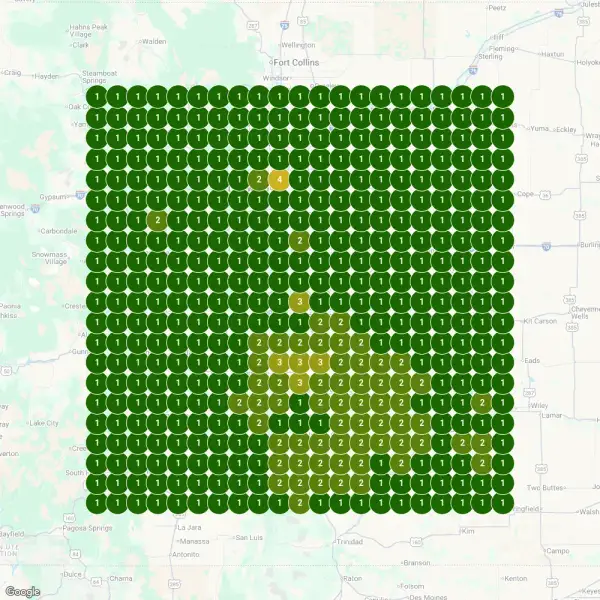 After
After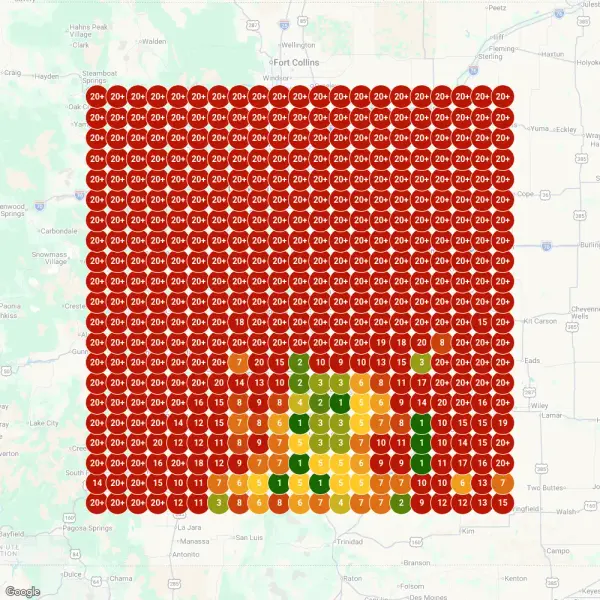 Before
Sound familiar? Your website doesn't get you leads?
If your business doesn't show on Google or ChatGPT... What's the point of having a website?
Right now, someone's searching for exactly what you sell. They're ready to pay.
They're not finding you. They're finding your competitor. The one who shows up first.
You do great work. Your customers love you. But none of that matters if nobody can find you.
The good news? This is fixable. Faster than you think.
"Kristian listened to me from the beginning and provided a detailed plan for social media, emails, and my website. He lets you give feedback and works with your ideas, but if something doesn't fit, he tells you why. Thanks to his work, my website receives much more traffic, social media engagement is up, and emails perform much better than before. You can communicate with him in English or Spanish, which is very helpful. I highly recommend Kristian from Kreaktive!"
"We have been working with Kristian at KREAKTIVE for 4+ years now. They have designed more than 40+ websites for us and our clients - always impressive. The designs are fresh, creative, and always spot on. You won't regret working with Kristian"
"His keen eye for detail, innovative approach, and user-friendly designs have transformed my online presence. Since the launch of the new site, my sales have skyrocketed, and customer engagement has doubled. Kristian didn't just deliver a website; he delivered a game-changing asset to my business. If you're looking to elevate your digital footprint, Kreaktive is your go-to web designer!"
"I am extremely satisfied with the work done by this graphic design company! They have perfectly captured the essence of our casual fusion food restaurant through their creativity and professionalism. The corporate identity they have created for us is fresh, modern and totally unique, perfectly reflecting what we wanted to convey. In addition, the menu design is simply spectacular, with a visually appealing presentation that has received praise from our customers. I would without hesitation recommend the services of this company to anyone looking for exceptional graphic design work!"
"Working with Kreaktive for our marketing was our best choice! Kris is attentive and very creative to our company's ever changing dynamics. Our digital visibility has skyrocketed!"
"KREAKTIVE consistently excels in their website design work by creating visually stunning and user-friendly designs and website interfaces that go above and beyond. I'd recommend them to everyone!"
"Kreative is knowledgeable, professional, and thorough with their marketing strategies. Kris' support with our website and digital marketing has strengthened our branding as a company and generates solid organic leads! Thanks Kreative!"
"I would only trust the best with a project this big and Kristian exceeded all expectations. Flawless and creative designs that are well thought out. I will definitely keep coming back with other projects down the line."
"Kristian makes amazing websites!! I highly recommend his services."
"The best content creator, branding, and logo specialist in Colorado Springs"
"I worked with Kristian on my company's branding and website, and the experience was fantastic. He creatively guides you and offers multiple options until you find the perfect fit. He's always available and attentive to any changes or concerns you might have. He explains the entire process and functionality of your website every step of the way and is 100% available to answer any questions. I would definitely recommend him for his creativity, availability, and professionalism."
"I couldn't be more satisfied with Kristian's work in creating my clinic's website. His knowledge is top-notch. At first, I struggled to understand the process, but thanks to his patience and experience, everything came together perfectly. The result is very, very good: a functional, attractive website perfectly tailored to my needs. He's also always willing to help and contribute valuable ideas. If you're looking for someone who truly knows what they're doing and will be 100% involved in your project, Kreaktive is the best choice. Highly recommended! Thank you for your work :)"
"When undertaking a project to create a professional image without losing that personal touch, a good design is essential. At Kreaktive, they provided us with all the care and dedication expected of a professional, without losing the good taste and originality that can make a difference in a business. The service is unbeatable and highly recommended. If you want to update your brand, it's a good idea to put yourself in their hands."
"Perfect for the presentation of my latest project. Both its designs and its innovation in the field stand out from other platforms. The care is evident in the small details. I highly recommend it!"
"When we want to create a website for our business, whatever its size, we first think about its appearance and content. Generally, the designer takes care of the look and the client of the content (photos, text, etc.). Nothing new there. Kreaktive is a company that provides you with a commercial and strategic vision so that the website, or any other form of advertising, fulfills its purpose and doesn't become a mere decorative showcase. I must also highlight their excellent personal service and approachability... but above all, their professionalism! Kreaktive provided me with numerous perspectives and logical ideas that had never crossed my mind."
"Fantastic partner for branding, web, and marketing tasks. They adapt to the size of the project and centralize solutions for needs across multiple areas."
"Creativity, quality, and passion for their work. Fresh ideas and a tastefully designed final product. 100% recommended"
"Fresh ideas and demonstrable experience in the sector. As the name suggests, creativity abounds. Highly recommended!"
"Highly recommended! Their ideas and attention to detail brought our logo to life, and that wasn't easy. Thank you so much for everything. We'll definitely be back."
"Always very attentive and with excellent customer service. Highly recommended."
"I cannot recommend Kreaktive highly enough!! Working with them has been an absolute game-changer. Their marketing strategies are both creative and effective. It feels like I've hired my own full-time marketing person, but even better. They did our branding and website and SEO, and I don't think I could have found a better option. They have an amazing eye for detail and a unique ability to turn my crazy ideas into reality and actually get my website found. You can't go wrong with Kreaktive and I would highly recommend them to anyone!!"
"Great experience working with Kristian on ui/ux, web designs, branding, logo kits... anything design. The design work is phenomenal"
"The best SEO especialist and most honest man i ever met. I recommend it to everyone that wants to improve leads on their websites. 100% trust on him."
"Working with Kreative to design my app logo was an outstanding experience from start to finish! They provided everything I needed: an app icon, favicon, brand icon (both with and without text), and delivered all necessary formats including SVG, JPG, and PNG. I especially appreciated the personalized video call where we went over each detail together, making revisions in real-time. The entire project was completed smoothly and quickly in less than one week! Highly recommend Kreative for anyone needing professional and efficient graphic design work."
"Kristian listened to me from the beginning and provided a detailed plan for social media, emails, and my website. He lets you give feedback and works with your ideas, but if something doesn't fit, he tells you why. Thanks to his work, my website receives much more traffic, social media engagement is up, and emails perform much better than before. You can communicate with him in English or Spanish, which is very helpful. I highly recommend Kristian from Kreaktive!"
"We have been working with Kristian at KREAKTIVE for 4+ years now. They have designed more than 40+ websites for us and our clients - always impressive. The designs are fresh, creative, and always spot on. You won't regret working with Kristian"
"His keen eye for detail, innovative approach, and user-friendly designs have transformed my online presence. Since the launch of the new site, my sales have skyrocketed, and customer engagement has doubled. Kristian didn't just deliver a website; he delivered a game-changing asset to my business. If you're looking to elevate your digital footprint, Kreaktive is your go-to web designer!"
"I am extremely satisfied with the work done by this graphic design company! They have perfectly captured the essence of our casual fusion food restaurant through their creativity and professionalism. The corporate identity they have created for us is fresh, modern and totally unique, perfectly reflecting what we wanted to convey. In addition, the menu design is simply spectacular, with a visually appealing presentation that has received praise from our customers. I would without hesitation recommend the services of this company to anyone looking for exceptional graphic design work!"
"Working with Kreaktive for our marketing was our best choice! Kris is attentive and very creative to our company's ever changing dynamics. Our digital visibility has skyrocketed!"
"KREAKTIVE consistently excels in their website design work by creating visually stunning and user-friendly designs and website interfaces that go above and beyond. I'd recommend them to everyone!"
"Kreative is knowledgeable, professional, and thorough with their marketing strategies. Kris' support with our website and digital marketing has strengthened our branding as a company and generates solid organic leads! Thanks Kreative!"
"I would only trust the best with a project this big and Kristian exceeded all expectations. Flawless and creative designs that are well thought out. I will definitely keep coming back with other projects down the line."
"Kristian makes amazing websites!! I highly recommend his services."
"The best content creator, branding, and logo specialist in Colorado Springs"
"I worked with Kristian on my company's branding and website, and the experience was fantastic. He creatively guides you and offers multiple options until you find the perfect fit. He's always available and attentive to any changes or concerns you might have. He explains the entire process and functionality of your website every step of the way and is 100% available to answer any questions. I would definitely recommend him for his creativity, availability, and professionalism."
"I couldn't be more satisfied with Kristian's work in creating my clinic's website. His knowledge is top-notch. At first, I struggled to understand the process, but thanks to his patience and experience, everything came together perfectly. The result is very, very good: a functional, attractive website perfectly tailored to my needs. He's also always willing to help and contribute valuable ideas. If you're looking for someone who truly knows what they're doing and will be 100% involved in your project, Kreaktive is the best choice. Highly recommended! Thank you for your work :)"
"When undertaking a project to create a professional image without losing that personal touch, a good design is essential. At Kreaktive, they provided us with all the care and dedication expected of a professional, without losing the good taste and originality that can make a difference in a business. The service is unbeatable and highly recommended. If you want to update your brand, it's a good idea to put yourself in their hands."
"Perfect for the presentation of my latest project. Both its designs and its innovation in the field stand out from other platforms. The care is evident in the small details. I highly recommend it!"
"When we want to create a website for our business, whatever its size, we first think about its appearance and content. Generally, the designer takes care of the look and the client of the content (photos, text, etc.). Nothing new there. Kreaktive is a company that provides you with a commercial and strategic vision so that the website, or any other form of advertising, fulfills its purpose and doesn't become a mere decorative showcase. I must also highlight their excellent personal service and approachability... but above all, their professionalism! Kreaktive provided me with numerous perspectives and logical ideas that had never crossed my mind."
"Fantastic partner for branding, web, and marketing tasks. They adapt to the size of the project and centralize solutions for needs across multiple areas."
"Creativity, quality, and passion for their work. Fresh ideas and a tastefully designed final product. 100% recommended"
"Fresh ideas and demonstrable experience in the sector. As the name suggests, creativity abounds. Highly recommended!"
"Highly recommended! Their ideas and attention to detail brought our logo to life, and that wasn't easy. Thank you so much for everything. We'll definitely be back."
"Always very attentive and with excellent customer service. Highly recommended."
"I cannot recommend Kreaktive highly enough!! Working with them has been an absolute game-changer. Their marketing strategies are both creative and effective. It feels like I've hired my own full-time marketing person, but even better. They did our branding and website and SEO, and I don't think I could have found a better option. They have an amazing eye for detail and a unique ability to turn my crazy ideas into reality and actually get my website found. You can't go wrong with Kreaktive and I would highly recommend them to anyone!!"
"Great experience working with Kristian on ui/ux, web designs, branding, logo kits... anything design. The design work is phenomenal"
"The best SEO especialist and most honest man i ever met. I recommend it to everyone that wants to improve leads on their websites. 100% trust on him."
"Working with Kreative to design my app logo was an outstanding experience from start to finish! They provided everything I needed: an app icon, favicon, brand icon (both with and without text), and delivered all necessary formats including SVG, JPG, and PNG. I especially appreciated the personalized video call where we went over each detail together, making revisions in real-time. The entire project was completed smoothly and quickly in less than one week! Highly recommend Kreative for anyone needing professional and efficient graphic design work."
Tell me what you want, I'll tell you what you need
I do many things, but making your phone ring is the #1
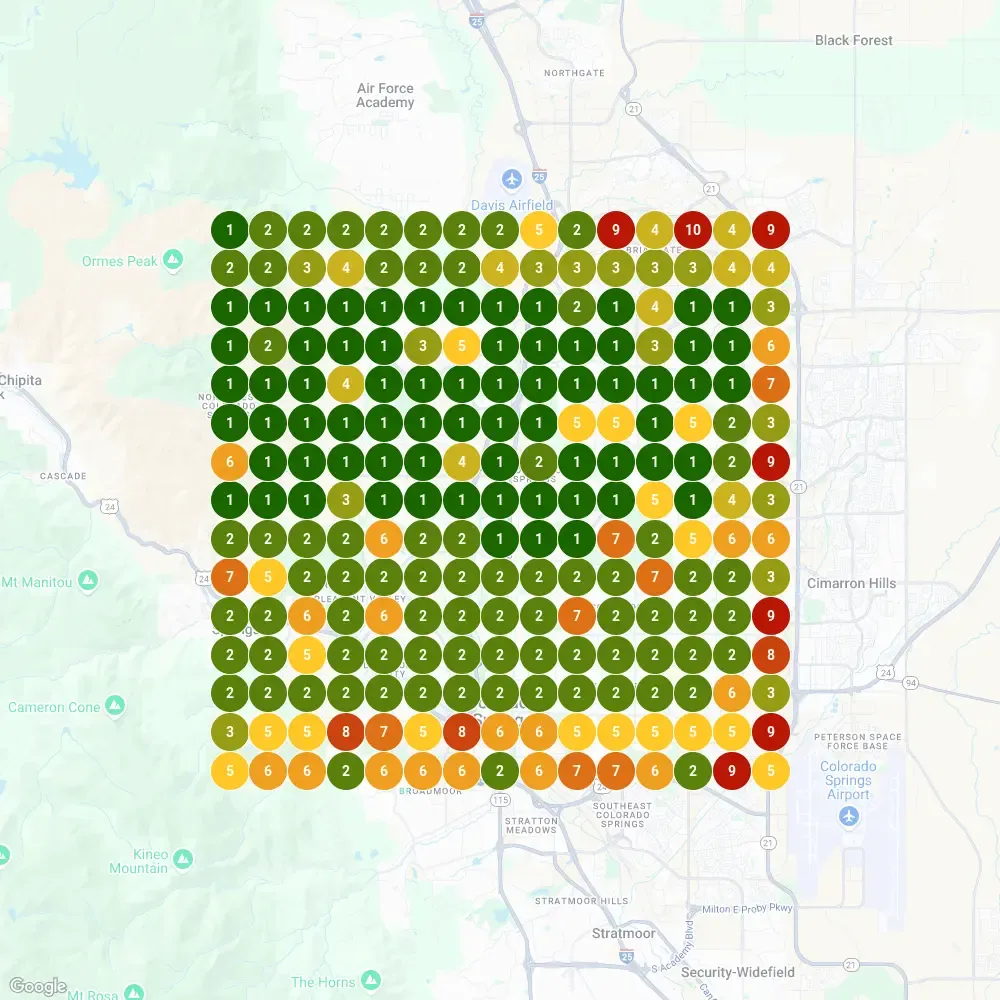
Search Google for what you offer. Someone is showing up and getting calls. Is it you? If not, you need:
SEO
Get found by customers actively searching for what you offer. I optimize your presence across Google Search and Maps.
- Local SEO & Google Maps
- Technical site audits
- Content optimization
- Keyword strategy
People are asking ChatGPT who to hire. Are you the answer? If not, you need:
AIO
Appear when people ask ChatGPT, Claude, or Perplexity for recommendations. This is where search is headed.
- AI search optimization
- Structured data markup
- Answer-ready content
- Brand authority building
Is your website getting you new clients? Can you handle more? If not, you need:
Web Design
Fast, clean websites that turn visitors into customers. Built to load quickly and make people pick up the phone.
- Custom responsive design
- Sub-second load times
- Layouts built to get calls
- Easy content management
People judge your business in 5 seconds based on how you look. Do you look pro? If not, you need:
Branding
Look like the business you actually are. A clear, consistent brand identity that your best customers recognize and trust.
- Logo & visual identity
- Brand voice & messaging
- Style guide creation
- Market differentiation
Here's how I fix it
I Get Small Businesses Found Online
15 years of getting businesses in front of the people searching for them. Google Search. Google Maps. AI assistants like ChatGPT and Perplexity. Wherever your customers look, I make sure you show up.
Results in 30 Days, or Your Money Back
Measurable progress in 30 days or your money back. No fine print.
Speed That Actually Matters
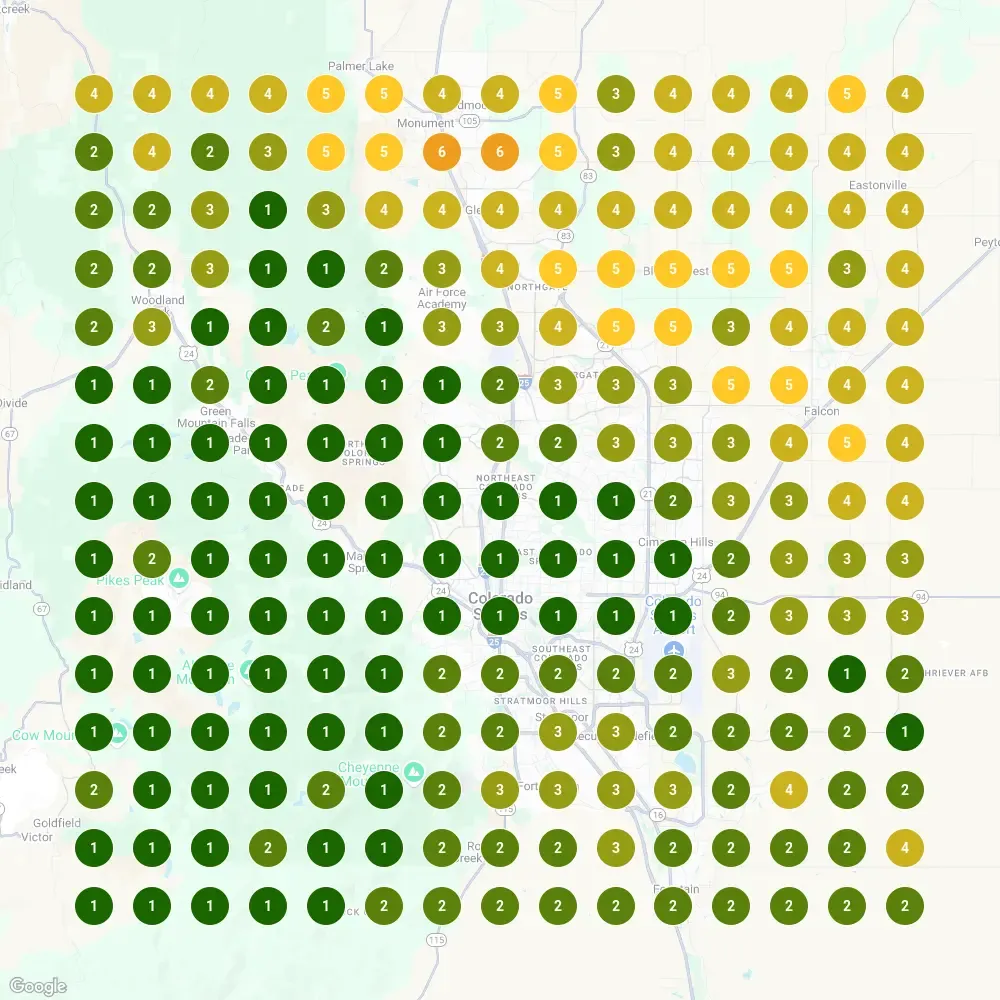
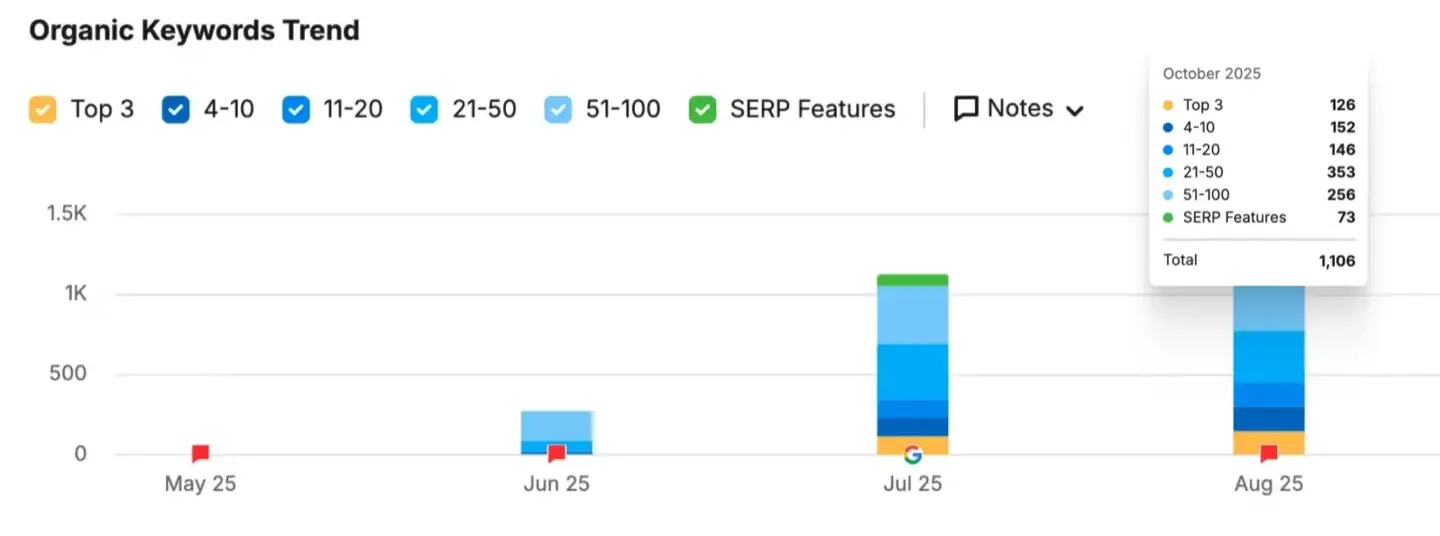
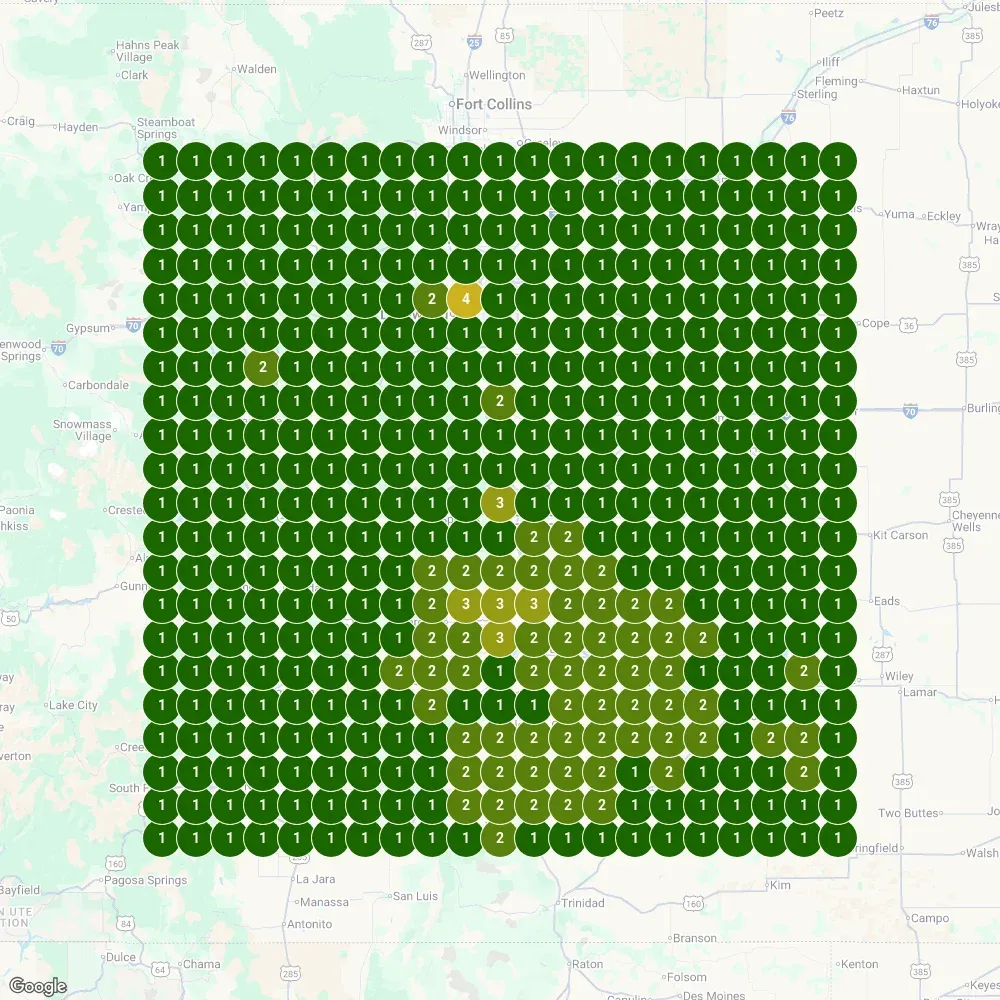
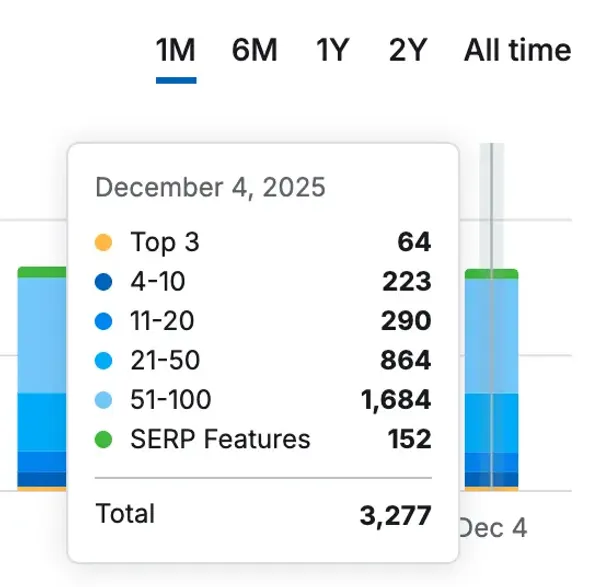
I've hit top 1 in 4 days after launching a new website in a market where competitors had minimal SEO presence. Speed depends on your competition, but early wins are real.
Month-to-Month, Always
No long-term contracts. Cancel with 30 days notice. I earn my spot every month.
You Work Directly With Me
I'm Kristian. I pitch the work, I do the work. No handoffs to junior staff.
Still not decided?
Here are the questions I hear most
Most say 6-12 months. I've moved clients into the top 3 in 45-60 days. The timeline depends on your competition and starting point, but I'll give you honest expectations upfront. And you'll see measurable progress in the first 30 days, or I refund your money.
Then I refund your money. That's the whole point of the 30-Day Proof Period. I carry the risk, not you. You see results before committing to anything beyond the first month.
Not at all. I explain everything in plain English. No jargon, no confusing reports. You'll know exactly what I'm doing, why it matters, and how it's affecting your bottom line.
Cheap SEO is expensive in the long run. Services charging $500/month are either doing almost nothing or cutting corners that will hurt you later. I charge what it costs to do the work properly, with a founder who actually does it.
Yes. While I'm based in Colorado Springs, I work with clients nationwide. Local SEO and national SEO follow the same principles.
Your competitors won't wait. Why should you?
Your competitors are getting calls that should be yours. Give me 30 days to change that.